

 United Kingdom
 France
 Germany
 Netherlands
 Sweden
 USA
USA
 Italy
Italy
 Spain
Spain

True Stories






Available
-
Something in our world is
changing. In ten years
time 60% of us will be
over 55. The retirement
age is likely to move up
to 70; modern medicine
ensures that most of us
will live well in to our
80s and most of us will
choose to do some work,
paid or voluntary, while
we are still physically
able. Yet older people
have, as yet, no role
in modern society. Old
age is regarded as an
invonvenience, something
to be shunned and set
apart from our daily
lives. In this frank,
often funny and always
compelling disquisition
on ageing, Irma Kurtz
sets out to chart the
territory through her own
and others' experiences.
Along the way she meets a
diverse group of people
whose insights into their
own lives have much to
offer a younger
generation - from a
90-year-old weekly
columnist and a vicar
still working in his
mid-70s to The Good
Granny Guide's Jane
Fearnley-Whittingstall
and 'London's Rudest
Landlord', Normal Balon
of the celebrated Coach
and Horses. Kurtz is a
fearless investigator of
the art of growing old -
its pleasures and its
griefs - carrying with
her the only tool that
sharpens with age:
lifelong curiosity.
Availability: In Stock
£4.99
Available
-
Professor by day,
callgirl by night - a
true story Jenny is left
penniless by an
ex-boyfriend and, in
order to make ends meet,
she finds herself
juggling two lives -
respected
college-lecturer by day
and $200-an-hour high
class callgirl 'Tia' by
night. Tia's clients
range from the pitiful to
the downright disturbing:
there's the man obsessed
with wearing her
underwear, the client
who wants her to pretend
to be his mother and the
punter who gets his kicks
from inflicting pain. Tia
is paid to fulfil all
kinds of desires. Despite
her madam's protection,
Tia is drawn into a world
of increasing danger,
trying to dodge
undercover cops, resist
the temptation of drugs
and, most of all, avoid
falling in love with the
wrong man. As Jenny
juggles the twin roles of
professor and prostitute,
the eventual strain of
keeping her life secret
from friends and family
forces her to re-examine
everything - before her
two worlds inevitably
collide!
Availability: In Stock
£1.99
Available
-
Details:
Confessions
of a Male Nurse is a
touching, shocking and
frequently hilarious
Availability: In Stock
£7.99
Available
-
Sig Hansen has been a
star of the Channel 4's
The Deadliest Catch from
the pilot to the present.
Seen in over 150
countries, the show
attracts more than 49
million viewers per
season, making it one of
the most successful
series in the history of
cable TV. With its
daredevil camera work,
unpredictably dangerous
weather, and a setting
as unforgivable and
unforgettable as the
frigid Bering Sea, The
Deadliest Catch is unlike
anything else on
television. But the
weatherworn fishermen of
the fishing vessel
Northwestern have stories
that don't come through
on TV. For Sig Hansen and
his brothers, commercial
fishing is as much a part
of their Norwegian
heritage as their names.
Descendents of the
Vikings who roamed and
ruled the northern seas
for centuries, the
Hansens' connection to
the sea stretches from
Alaska to Seattle and all
the way to Norway. And
after twenty years as a
skipper on the commercial
fishing vessel the
Northwestern -- which was
his father's before him
-- Sig has lived to tell
the tales. To be a
successful fisherman,
you need to be a
mechanic, navigator,
welder, painter,
carpenter, and
sometimes, a
firefighter. To be a
successful fisherman year
after year, you need to
be a survivor. This is
the story of a family of
survivors; part memoir
and part adventure tale,
North by Northwestern
brings readers on deck,
into the dockside bars
and into the history of a
family with a common
destiny. Built around a
gripping tale of a deadly
shipwreck like The
Perfect Storm, North by
Northwestern is the
multi-generational tale
of the Hansen family, a
clan of tough
Norwegian-American
fishermen who, through
the popularity of The
Deadliest Catch, have
become modern
folk-heroes.
Availability: In Stock
£3.99
Available
-
Details: 'This is the
story of how, on 29 May,
1953, two men, both
endowed with outstanding
stamina and skill,
reached the top of
Everest and came back
unscathed to rejoin their
comrades. 'Yet this will
not be the whole story,
for the ascent of Everest
was not the work of one
day, nor even of those
few anxious,
unforgettable weeks in
which we prepared and
climbed this summer. It
is, in fact, a tale of
sustained and tenacious
endeavour by many, over
a long period of time...
We of the 1953 Everest
Expedition are proud to
share the glory with our
predecessors.' Sir John
Hunt Ideal for: Great for
people inspired by true
adventures and a book
they may inspire a new
generation to seek their
own adventures. This
paperback measures: 19.7
x 12.8 x 2.2. Pages: 315
Availability: In Stock
£2.99
Available
-
A witty, entertaining
and utterly unique look
at the great explorers
and the life-lessons we
can draw from them.
Exploration and explorers
hold a constant
fascination, with tales
of heroism and the
overcoming of great odds
in the most inhospitable
environments. The
excitement over books on
Shackleton and the
abiding success of series
such as Michael Palin's
'Pole to Pole', ?Around
the World in 80 days' and
?Himalaya? demonstrate
this amply. Add to this
already compelling
formula a touch of
inspiration, in the
lessons we can learn from
the explorers in our
everyday life and a spice
of 'How to do Just about
everything' in the
bizarre and quirky
lessons Mick Conefrey
teaches us, such as how
to cook an albatross or
play football on an ice
floe and the combination
is unbeatable. The book
takes as its structure
the stages of a typical
expedition from planning
to setting out, finding
your goal and surviving
safely to get home.
Packed with fascinating
anecdotes about explorers
such as Shackleton,
Scott, Livingstone and
Stanley, the book also
teaches us instructive
lessons about
fund-raising,
team-building, dealing
with confrontations,
whilst also dealing with
less everyday problems,
such as digging a latrine
in permafrost or facing
down a charging polar
bear. With its
combination of the
serious and the bizarre,
the inspirational and the
hilarious, Teacup in a
Storm will be an
engagingly irresistible
proposition. 'Teacup in a
Storm' is a unique book.
Witty, irreverent,
debunking, entertaining
and inspirational all in
one competitively priced
and handy format package.
Availability: In Stock
£1.99
Available
-
In the summer of 1992,
Jeremy Howe and his wife,
Lizzie, were tending to
last-minute holiday
preparations. Lizzie was
leaving to teach at a
summer school before she
could join Jeremy and
their two daughters,
Jessica, six and Lucy,
four, at the seaside.
That night, arriving at
his mothers in
Suffolk, Jeremy managed
to get the excited girls
to go to sleep,
irritated that their
mother hadn't called to
say goodnight as she had
promised. Just after
midnight the household
was woken by a policeman
who had come to tell them
that Lizzie was dead. She
had been murdered. Twenty
years after that terrible
night, Jeremy and his
girls are not the people
they might have been had
Lizzie not died. They?re
certainly different, but
not damaged. This is the
candid, heartrending
story of how they got
there, of how, faced
with the worst thing that
could possibly happen,
they put their lives back
together, bit by bit and
piece by piece. It's a
story of how Daddy became
Mummydaddy and of the
pitfalls along the way,
from how on earth you
decide what to tell your
children about their
mother's violent death to
the practicalities of
knowing what they like in
their packed lunch; from
helping your children to
grieve when your own
grief is so sharp it
threatens to overwhelm
you to making sure that
they brush their teeth
and comb their hair. It's
a story full of tears,
but also of love and
family and redemption.
Availability: In Stock
£1.99
Available
-
Cissie Hamm,
free-spirited and
glamorous, once served
early-morning coffee to
Jackie Kennedy Onassis
and believed that
housework consisted of
matching belts to the
correct coats. A ray of
light in the puddle-grey
town of Waterford in the
1960s and 1970s, she was
both abattoir-owner and
guest-house landlady. She
was exactly what every
self-proclaimed nancy boy
needs in his life.
Aeibhear's personal
voyage takes us through
the buildings of his
childhood city, his
grandmother's abattoir,
the mental hospital where
his father works, and
the Folly Church where he
serves as an altar boy.
It is the story of a city
and the story of his
journey from fear to
pride. But the most
important character
throughout is the
entertaining,
fashion-conscious,
poker-playing Cissie,
his lively and witty
little grandmother. She
taught him by example how
to survive and prosper,
and how to live with
style and verve. From the
book: 'Living happily on
the edge of Cissie's life
all through my childhood
had been all that I had
wanted, but it, amongst
other things, meant that
I could never talk to the
very ones I now longed
for: boys of my own age.
At the core of my dawning
understanding of sex and
romance was the absolute
certainty that I would
always be outside it,
undesired, unwanted. I
could imagine sex between
men quite easily; I just
couldn't imagine ever
being involved in it. In
this disturbing world of
unfulfillable desire, I
was scared. Cissie's
abattoir saved me.'
Availability: In Stock
£2.99
Available
-
Love Junkie is the story
of Rachel Resnick's
dangerous addiction to
sex and love. An
addiction that has cost
her in horrible ways
throughout the course of
her life - from the time
she rear-ended a family
van on the freeway
because she was
obsessively speed-dialing
her lover's phone, to
when she blew the
deadline on her first
major newspaper
assignment. Love Junkie
charts Rachel Resnick's
harrowing amotional
journey from addiction to
intimacy, from despair
to hope, and the men -
the worst kind of men -
who accompanied her on
it. It is a
groundbreaking and
compulsively readable
memoir that cracks open
one of the more elusive
and pervasive addictions
of our time. Written with
raw humour and
unflinching honesty, it
is the story of coming to
terms with your past in
order to be able to map
out a different kind of
future.
Availability: In Stock
£3.99
Available
-
Benjamin Daniels is
angry. He is frustrated,
confused, baffled and,
quite frequently, very
funny. He is also a GP.
These are his
confessions. A woman
troubled by pornographic
dreams about Tom Jones.
An 80-year-old man who
can't remember why he's
come to see the doctor. A
woman with a common cold
demanding (but not
receiving) antibiotics. A
man with a sore knee. A
young woman who has been
trying to conceive for a
while but now finds
herself pregnant and
isn't sure she wants to
go through with it. A
7-year-old boy with tummy
aches that don't really
exist. These are his
patients. Confessions of
a GP is a witty insight
into the life of a family
doctor. Funny and moving
in equal measure it will
change the way you look
at your GP next time you
pop in with the sniffles.
Availability: In Stock
£1.99
Available
-
Left with nothing, after
a messy divorce, Thelma
has come a long way from
her humble dressmaking
beginnings, making and
selling dresses on a
market stall in
Liverpool. Back then she
knew nothing of gypsies.
Until one day she was
asked by a traveller to
make some dresses like
the ones in ?Gone with
the Wind? and before she
knew it had dozens of
other traveller women
gathering around asking
for similar ones. A few
years later she was asked
to make a wedding dress
for a young traveller,
then she was hit with the
request for a 107 ft
train and 18 elaborate
bridesmaid dresses. And
she hasn?t looked back
since.
Availability: In Stock
£2.99
Available
-
BBC Breakfast's Dr
Rosemary Leonard shares a
collection of incredible
true tales from her
twenty years as a south
London GP. 'Hello, this
is the emergency
services. Do you require
fire, police or
ambulance?' asked the
female switchboard
operator with brisk
professionalism. I
thought fast. 'I actually
need all three, ' I
answered. It's not every
day that a home visit
turns out to be an
eco-protestor with
appendicitis stuck up a
tree. But as Dr Rosemary
shares in this book,
it's all part of a day's
work for a south London
GP. From an octogenarian
nymphomaniac to a
teenager in labour with a
baby she didn't know
about, when Dr Rosemary
opens her surgery door
she doesn't know who's
going to walk in...
Availability: In Stock
£2.99
Available
-
When Shannon Moroney
married Jason Staples in
October 2005, she had no
idea that her happy life
as a newlywed was about
to come crashing down
around her. One month
after her wedding, a
police officer arrived at
her hotel door while she
was out of town with the
news that her husband had
been arrested and charged
with the brutal sexual
assault and kidnapping of
two women, taking them
to the house he shared
with Shannon to commit
the acts of violence. In
the aftermath of the
crimes, Shannon dealt
with a heavy burden of
grief, the stress and
publicity of a major
criminal investigation,
and the painful stigma of
guilt by association -
all the while attempting
to understand what had
made Jason commit such
violence. In this
intimate and gripping
journey into the human
heart, Shannon reveals
the far-reaching impact
of Jason's crimes and the
agonizing choices faced
by the loved ones of
offenders. She also tells
the powerful story of how
she made the amazing
transition from being a
member of the 'trauma
club' to completely
rebuilding her life. This
is an impassioned,
harrowing and ultimately
hopeful story of one
woman's pursuit of
justice, forgiveness and
healing.
Availability: In Stock
£2.99
Available
-
The Sunday Times and New
York Times bestselling
author of Damaged tells
the true story of Donna,
who came into foster care
aged ten, having been
abused, victimised and
rejected by her family.
Donna had been in foster
care with her two young
brothers for three weeks
when she is abruptly
moved to Cathy's. When
Donna arrives she is
silent, withdrawn and
walks with her shoulders
hunched forward and her
head down. Donna is
clearly a very haunted
child and refuses to
interact with Cathy's
children Adrian and
Paula. After patience and
encouragement from Cathy,
Donna slowly starts to
talk and tells Cathy that
she blames herself for
her and her brothers
being placed in care. The
social services were
aware that Donna and her
brothers had been
neglected by their
alcoholic mother, but no
one realised the extent
of the abuse they were
forced to suffer. The
truth of the physical
torment she was put
through slowly emerges,
and as Donna grows to
trust Cathy she tells her
how her mother used to
make her wash herself
with wire wool so that
she could get rid of her
skin colour as her mother
was so ashamed that Donna
was mixed race. The
psychological wounds
caused by the bullying
she received also start
to resurface when Donna
starts reenacting the
ways she was treated at
home by hitting and
bullying Paula, so much
so that Cathy can't let
Donna out of her sight.
As the pressure begins to
mount on Cathy to help
this child, things start
to get worse and Donna
begins behaving in
erratic ways, trashing
her bedroom and being
regularly abusive towards
Cathy's children. Cathy
begins to wonder if she
can find a way to help
this child or if Donna's
scars run too deep.
Availability: In Stock
£2.99
Available
-
Did you know that Fawlty
Towers Basil Fawlty was
based on a real hotel
owner who yelled at his
guests and staff? Or that
most of the main
characters in To Kill a
Mockingbird were inspired
by Harper Lee's own
family, neighbours and
an innocent man, Walter
Lett, who was sentenced
to death? The Godfather
Was A Girl is a
collection of over 300
extraordinary and
entertaining examples of
the real-life people who
have influenced some of
the most famous fictional
characters from books,
movies and television.
Find out who was the
basis for Lois Lane from
Superman, Absolutely
Fabulous' Eddie Monsoon
and the real Mr Burns
from The Simpsons.
Published in the UK in
March 2012. Featured in
The Telegraph, The Sun,
The Daily Mail and The
Guardian.
Availability: In Stock
£3.99
Available
-
Details:THE MITFORD GIRLS
tells the true story
behind the gaiety and
frivolity of the six
Mitford daughters - and
the facts are as
sensational as any novel:
Nancy, whose bright
social existence masked
an obsessional doomed
love which soured her
success; Pam, a
countrywoman married to
one of the best brains in
Europe; Diana, an iconic
beauty, who was already
married when at 22 she
fell in love with Oswald
Moseley, the leader of
the British fascists;
Unity, who romantically
in love with Hitler,
became a member of his
inner circle before
shooting herself in the
temple when WWII was
declared; Jessica, the
family rebel, who
declared herself a
communist in the
schoolroom and the
youngest sister, Debo,
who became the Duchess of
Devonshire.This is an
extraordinary story of an
extraordinary family,
containing much new
material, based on
exclusive access to
Mitford archives.Ideal
for:Fans of contemporary
fiction books.
Availability: In Stock
£2.99
Available
-
Details: When Kristian
Anderson received the
diagnosis that every
devoted husband and
father fears, he refused
to resign himself
silently to fate. He
began a brave and candid
blog as he underwent
treatment for cancer:
sharing the joy of each
small victory, the
devastation in every
setback, and the
agonising realisation
that he wouldn?t always
be able to protect and
comfort his little boys
when they were lonely or
afraid, or grow old with
his wife and soulmate.
His posts full of hope,
faith, and breathtaking
honesty captured
Australian hearts, then
swept across the Pacific,
gathering followers. A
poignant video tribute
for his wife Rachel
became an internet
phenomenon, attracting
messages from
well-wishers across the
globe. After his death,
their love inspired
Rachel to bring together
Kristians blog
entries combined with her
own intimate reflections.
Days Like These is a
heartbreaking account of
her husbands final
battle, his strength and
courage, but it is also
a story about coming back
from grief, and learning
how to live again. ideal
for: Anyone with an
interest in reading about
effects of having cancer.
This book will take you
on a detailed and highly
personal journey through
cancer. This paperback
book has 253 pages and
measures: 19.7 x 12.8 x
1.9cm
Availability: In Stock
£1.99
Available
-
Ronnie Thompson tells it
like it is. For the first
time ever, a Prison
Officer reveals what
really goes on behind
bars. He exposes the
underworld of bent
screws, the drugs they
traffic, the firms they
work for and that they
get paid for their sins.
He talks about the times
when force is necessary
and used, and when it is
unnecessary but still
used. Ultimately, he
shows that being a good
screw doesn't mean always
sticking to the rules.
Availability: In Stock
£1.99
Available
-
As the daughter of
country music's "First
Couple, George Jones and
Tammy Wynette, Georgette
Jones is one of country
music's princesses. Just
The Three of Us will
contain never before told
stories about George and
Tammy's parenting,
friendships, competition,
and career decisions. It
will recount Tammy's
descent into prescription
pill addiction due to
constant medical
problems, her dependence
on her fifth husband,
George Richey, and her
untimely death at the age
of 55. George Jones will
also open up about his
intense desire to repair
the broken relationship
with his child, about his
insecurity as a father,
and getting to know his
twin grandsons. Lastly,
Georgette will tell about
her own failed marriage,
illness, arrest, and the
reconciliation she has
reached with her former
husband.
Availability: In Stock
£4.99
Available
-
Details: This is the
astonishing true life
adventure story of a
plane crash in the wilds
of northern Canada...and
the four men who survived
to tell the tale. On a
wintry October night in
1984, nine passengers
boarded a Piper Navajo
commuter plane bound for
remote communities in the
far north of Canada. Only
four people - strangers
from wildly different
backgrounds - will
survive the night that
follows: the pilot, a
prominent politician, an
accused criminal and the
rookie policeman
escorting him. "Into the
Abyss" is a dramatic tale
of tragedy, a coming of
age story and a
compassionate account of
how four men resurrected
shattered lives. Like Jon
Krakauer's "Into Thin
Air" or Sebastian
Junger's "The Perfect
Storm", the book will
trace the arcs of each
character's life and
fight for survival. It
will also follow four
men's transformative
journeys from the depths
of physical and spiritual
loss to the riches of
lives begun anew. Ideal
for: Fans of true story
novels. Superb read for
anyone interested in
surviving against the
odds. This paperback book
has 311 pages and
measures: 23.4 x 15.2 x
2.5cm
Availability: In Stock
£2.99
Available
-
Details: Richard Madeley
is fascinated by the
speed of change in family
life and how being a
father has changed since
the time of his father
and grandfather. In
FATHERS & SONS, Richard
looks back at his own
family to illustrate just
how far British men's
relationships with their
sons have moved.
Richard's grandfather had
a childhood of almost
unimaginable betrayal and
sadness. His family
abandoned him as a child
to older relatives and
emigrated without telling
him. He grew up in a
miserable situation and
without any positive
parenting role models yet
managed to marry and have
a son of his own.
Richard's father was
aware of his own father's
discomfort and occasional
frustration and anger,
and grew to understand
that this was due to his
upbringing. He remembers
no affection, or
endearments from his dad
and was packed off to a
desolate boarding school
in an echo of his own
father's betrayal. In a
bucking of the family
trend, Richard's mother,
a Canadian, introduced
more loving and
demonstrative
relationships which
Richard has continued
with his own son and
step-sons. Both a family
story and a wide-ranging
look at Britain's
evolving social
character, FATHERS &
SONS is a uniquely honest
and touching exploration
of how our families
operate. Ideal for: Fans
of Richard Madeley and
anyone interested in his
amazing family history.
This hardback book has
293 pages and measures:
24 x 15.6 x 2.7cm
Availability: In Stock
£5.99
Available
-
Six people lost their
lives in the plane crash.
Four men found theirs. On
a wintry October night in
1984, a Piper Navajo
commuter plane bound for
remote communities in
northern Canada set off
into thick cloud and
freezing rain. One hour
later, the plane smashed
headlong into a high
ridge of rugged forest.
Of the ten people on
board, only four -
strangers from wildly
different backgrounds -
survived the crash: Erik,
the young pilot who had
never wanted to fly in
such bad weather in the
first place. Larry, a
respected politician and
family man. Scott, a
rookie cop who, against
regulations, had
unshackled the prisoner
he was escorting to face
charges. And Paul: a
criminal, and the only
one to escape the crash
uninjured. The only one
capable of keeping the
other three alive -
should he choose to. Into
the Abyss is an
incredible story of
tragedy and hope; of four
lives changed for ever by
the fierce crucible of a
deadly night in the
wilderness, and by the
events that followed.
Availability: In Stock
£2.99
Available
-
The one and only Fay
Weldon tells the story of
her turbulent and
controversial life. From
the 1930s to the 2000s,
Fay Weldon has seen and
lived our times. As a
child in New Zealand,
young and poor in London,
unmarried mother, wife,
lover, playwright,
novelist, feminist,
anti-feminist,
spag-bol-cook,
winer-and-diner, there
are few waterfronts that
she hasn't covered, few
battles she hasn't
fought. An icon to many,
a thorn-in-the-flesh to
others, she has never
failed to excite,
madden, or interest. Her
life and times cover
love, sex, babies,
blokes, poverty, work,
politics, and not a few
Very Famous Names. Moving
from New Zealand to
London to Scotland, from
the UK to points east and
west, Weldon has sipped,
gulped, and sometimes
spat out the things that
make us what we are
today.
Availability: In Stock
£1.99
Available
-
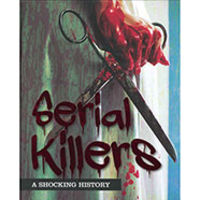
From Victorian slasher,
Jack the Ripper, to Fred
and Rose West, or the
infamous 14th century
Cave-Dwelling Cannibals
to Charles Manson, find
out all about killers
throughout history inside
this guide to the most
notorious murderers of
all time. Learn facts and
figures surrounding the
criminals, their
terrible crimes and
victims, as well as
gaining an insight into
the minds and motives of
the people behind the
horror stories. Serial
Killers: A Shocking
History is an eye-opening
book of killer
proportions.
Availability: In Stock
£4.99
Available
-
In this powerful and
honest memoir, Laurie
Matthew takes the reader
with her as she revisits
her childhood in 1950s
and 1960s Dundee. Raised
in a home which consisted
of an emotionally
neglectful and physically
violent mother, a
distant father, a
chronically sick brother
and a sister she needed
to protect, the only ray
of light in little
Laurie's life came from
the man who would return
home from the Army with
pockets full of sweets
and bags of toys. Uncle
Andrew would shower her
with attention and love,
capture the hearts of
everyone around him - and
carefully groom her for
years of abuse by not
only himself, but also
by a network of
paedophiles. Laurie tells
a harrowing story of
isolation, as her
abusers went to
extraordinary lengths to
carry out their sick
acts, wearing masks to
confuse and torment her
and keeping her away from
other children. But these
evil men had no idea that
the girl they
systematically violated
would turn into one of
the country's leading
child protection experts,
and that their legacy
would give her the
impetus to change the
lives of so many innocent
victims.
Availability: In Stock
£1.99
Available
-
On 10 June 1991,
eleven-year-old Jaycee
Dugard was abducted from
a school bus stop within
sight of her home in
Tahoe, California. It
was the last her family
and friends saw of her
for over eighteen years.
On 26 August 2009,
Dugard, her daughters,
and Phillip Craig Garrido
appeared in the office of
her kidnapper's parole
officer in California.
Their unusual behaviour
sparked an investigation
that led to the positive
identification of Jaycee
Lee Dugard, living in a
tent behind Garrido's
home. During her time in
captivity, at the age of
fourteen and seventeen,
she gave birth to two
daughters, both fathered
by Garrido. Dugard's
memoir covers the period
from the time of her
abduction in 1991 up
until the present. In her
stark, compelling
narrative, Jaycee opens
up about what she
experienced, including
how she feels now and the
struggle to re-build her
life after eighteen years
in captivity. Garrido and
his wife Nancy have since
pleaded guilty to their
crimes.
Availability: In Stock
£2.99
Available
-
I've told you before,
and I will tell you
again, if you are unable
to read the Holy Book you
will be punished. The
teacher's face was a mask
of anger. "Understand?"
Born in 1975 in the UK to
a Pakistani father and an
English mother,
Alexander Khan spent his
early years as a Muslim
in the north of England.
But at the age of three
his family was torn apart
when his father took him
to Pakistan. Despite his
desperate cries, that
was the last he saw of
his mother - he was told
she had walked out and
abandoned them; many
years later he learned
she was told he'd died in
a car crash in Pakistan.
Three years on Alex is
brought back to England,
but kept hidden at all
times. His father
disappears to Pakistan
again, leaving Alex in
the care of a stepmother
and her cruel brother.
And it is then that his
troubles really begin.
Seen as an outsider by
both the white kids and
the Pakistani kids, Alex
is lost and alone. When
his father dies
unexpectedly, Alex is
sent back to Pakistan to
stay with his 'family'
and learn to behave like
a 'good Muslim'. Now
alone in a strange,
hostile country, with
nobody to protect him,
Alex realises what it is
to be truly orphaned. No
one would listen. No one
would help. And no one
cared when he was
kidnapped by men from his
own family and sent to a
fundamentalist Madrassa
on the Afghanistan
border. A fascinating and
compelling account of
young boy caught between
two cultures, this book
tells the true story of a
child desperately
searching for his place
in the world; the tale of
a boy, lost and alone,
trying to find a way to
repair a life shattered
by the shocking event he
witnessed through a crack
in the door of a house in
an isolated village in
Pakistan.
Availability: In Stock
£2.99
Available
-
Born into a fog-ridden
south London slum in
1931, Eileen Killick
quickly learned to look
after herself. Her
brothers were wayward,
her mum had TB and her
dad was working all hours
on the railways. By the
time she was fourteen she
had survived the Blitz,
a spell in a care home
and her mother's death,
but she craved
excitement, embarking on
shoplifting sprees,
liberating fur coats and
rolling toffs up west
with notorious 'queen of
thieves' Shirley Pitts.
Eileen soon found herself
in borstal, put to work
building roads like a
navvy. Known as 'Kill',
she had a reputation as
one of the hardest woman
behind bars. Then, in
the 1950s she met and
married career criminal
Harry 'Big H' MacKenney,
and she was soon
fraternising with the
toughest, most colourful
characters in the London
underworld. She went on
to have four children,
whom she loved and
protected, but life was
extremely tough and
Eileen fell back into her
old ways, thieving and
fighting to make ends
meet. The 1970s brought
police corruption and
brutality to Eileen's
doorstep. When Harry was
banged up, Eileen
carried on the 'family
business' alone and found
herself on the wrong side
of the law - again. Yet
throughout a catalogue of
trouble this defiant
London bad girl of the
old school always kept
her defiant sense of
humour. Borstal Girl is a
true story of shocking
violence and survival
that pulls no punches,
but it is also a secret
criminal history of a
London long past. There
is no other female memoir
like it.
Availability: In Stock
£2.99
Available
-
The UK was shocked to its
core in May 2012 when a
gang of nine men was
convicted of the
systematic sexual abuse
of disadvantaged teenage
girls in the Rochdale
area - the crimes
including counts of rape,
aiding and abetting
rape, sexual assault and
trafficking girls within
the UK for sexual
exploitation. Yet many
childcare experts reckon
these crimes are just the
tip of an iceberg of wide
scale exploitation
occurring across the
country. The Deputy
Children's Commissioner
Sue Berelowitz said in
June 2012 that there
'isn't a town, village
or hamlet in which
children are not being
sexually exploited'. As
this book goes to press,
a gang of men similar to
those convicted in
Rochdale stands trial for
similar crimes in Oxford.
What is happening in
Britain that means young
vulnerable girls can be
exploited in this way?
Award-winning journalist
Kris Hollington tells the
inside story of some of
the most shocking and
heartbreaking crimes of
recent years, focusing
on the Rochdale case but
also analysing recent
cases in the London area
that have echoes of the
brutality of organised
slavery
Availability: In Stock
£1.99
Available
-
On a bright and sunny
June afternoon, a
seven-year-old boy was
left in the care of his
teenage neighbour. No one
knew, or would even have
dreamed of suspecting,
that the teenager was a
satanist. The two went
out to the fields to look
for rabbits. The child
was never seen alive
again. For the first
time, in "The Boy in the
Attic", David Malone
reveals the exact events
of that summer day: how
the youngster was lured
to his death, how the
teenager came to delve so
deeply into the occult
and the nightmarish scene
awaiting police when they
entered the attic. But
there is another
disturbing question - how
is it that this murder,
which was easily one of
the most shocking and
horrific in living
memory, was barely
reported upon at all? Why
have you never heard of
the boy in the attic
until now?
Availability: In Stock
£4.99
Available
-
An utterly gripping
nonfiction adventure
narrative, Lost in
Shangri-La is an untold
true story of war,
survival, discovery,
heroism, and a
near-impossible rescue
mission. Three months
before the end of World
War II, a U.S. Army
plane flying over New
Guinea crashed in
uncharted mountains
inhabited by a Stone Age
tribe. Nineteen
passengers and crew were
killed and two were
mortally wounded. But
somehow three survived: a
lieutenant whose twin
brother died in the
crash, a sergeant who
suffered terrible head
wounds, and a beautiful
member of the Women's
Army Corps. Hurt,
unarmed and afraid, they
prayed for deliverance ?
from their wounds, from
the elements, and from
the spear-carrying, Dani
tribesmen who roamed the
mountains, men who were
untouched by modernity.
For seven weeks, the
survivors experienced one
remarkable adventure
after another, until
they were rescued in a
truly incredible mission.
Using a huge range of
sources, including first
hand accounts from the
survivors themselves,
Mitchell Zukoff exposes
the enlightening and
terrifying adventure of
three individuals lost on
unknown soil and the
relationships they built
not only with each other,
but also with a lost
civilization.
Availability: In Stock
£1.99
Available
-
Kathleen Clifford was
born in 1909. Her family
lived in a tiny flat near
Paddington Station and
her earliest memories
were of the smell of
horses and the shrill
whistle of steam trains.
For a girl from the slums
there was really only one
option once school was
over - a life in service.
She started work in 1925
as a lowly kitchen maid
in the London home of
Lady Diana Spencer's
family. Here she heard
tales of the Earl's
propensity for setting
fire to himself, as well
as enjoying the servants'
gossip about who was
sleeping with whom. The
Spencers were just the
first in a line of
eccentric families for
whom she worked during a
career that lasted more
than thirty years and
took her from a London
palace to remote medieval
estates. But despite long
hours, amorous butlers
and mad employers,
Kathleen always kept her
sense of humour and knew
how to have fun. On one
occasion she was almost
caught in bed with her
boyfriend who had to jump
out of the window and run
down the drive in his
underwear to escape the
local bobby.
Availability: In Stock
£2.99
Available
-
Adopted at eighteen
months, Caradoc King was
brought up in a large and
growing family. His
adoptive mother, a
complex woman, was
unable to bond with her
newly adopted son and
treated him with a
harshness bordering on
cruelty. At the age of
six, he was sent to a
boarding school run by
two brilliantly eccentric
brothers. But this happy
time ended abruptly when
his adoptive mother
became a passionate
Catholic and removed him
from the school. From the
age of eleven, Caradoc
was shuttled from one
school to the next,
later failing to fulfil
his mother's wish that he
should join a seminary.
When he was fifteen, he
was informed that he had
been adopted and, a year
later, his parents
ejected him from the
family. Two years later,
he scraped into Oxford
and there on his first
day met Philip Pullman,
who was to become his
first client when he set
up as a literary agent.
Thirty years later,
Caradoc went in search of
his natural family and
began to make sense of
the mystery of his two
absent mothers.
Availability: In Stock
£1.99
Available
-
My childhood socks were
always white, my frocks
ironed. Each day
predictable, safe. I
escaped. Aged 19, I was
swept off my feet by a
wild adventurer and
married within months.
Two small children later
(with three more to come)
complete with Labradors,
cats, a heavy horse and
hearts full of dreams,
we arrived on a remote
Hebridean island to begin
our life on the
Tapsalteerie Estate.
Nothing was ever
predictable again. ISLAND
WIFE tells the story of
Judy, who, at 19, met
her Wild Pioneer. He
whisked her off into an
adventure, a marriage of
forty years, and a life
on a remote Hebridean
island. Along the way she
bears five children,
learns how to run a rocky
hill farm, a hotel, a
recording studio and the
first whale watching
business in the UK - all
the while inventively
making fraying ends meet.
When her children start
to leave home, things
fall apart and there is
sadness and joy in how
she puts things back
together. Judy tells her
story in a clear and
unique voice, in turns
funny, unforgettable and
intensely moving.
Availability: In Stock
£6.99
Available
-
Muffin was a rescue dog,
an ordinary mongrel who
joined the Bardsley McGee
family in Leeds in 1999.
She was three years old,
a 'little shipwreck' of a
dog who had been badly
neglected,
undernourished and
contained in a high-rise
flat for whole of her
young life. The family
she came into was also
under pressure, as the
writer's husband Tim was
in the middle of a long
struggle with cancer and
had been told earlier
that year that his
illness was terminal.
Never having previously
shown interest in
animals, Tim bonded
almost instantly with
chaotic little Muffin,
who became a steadfast
companion during his
final months. And during
the dark days after Tim's
death, and when the
author's daughter left
for university, Muffin
became a loyal friend
with an uncanny ability
to display empathy around
times of illness and
loss. With Muffin
reaching the end of her
days, author Barney
Bardsley looks back over
the eventful years they
have shared, to remember
the joy and laughter that
this loving, soulful
creature brought to her
family. Her story will
strike a chord with
anyone who has ever
loved, and been loved,
by a pet.
Availability: In Stock
£2.99
Available
-
This is the story of how,
over a period of one
hundred and ninety-two
days, I was torn away
from the life I knew and
loved, and dragged down
to the depths of despair;
of how I endured enforced
isolation and
near-starvation at the
hands of Somali pirates;
and of how I made a
choice to survive by any
and all means that I
could muster. In
September 2011 Judith
Tebbutt and her husband
David set out on an
adventurous holiday to
Kenya. A couple for
thirty-three years, they
had first met in Zambia:
Africa had played a major
part in their life
together. After a joyous
week on safari in the
Masai Mara, they flew on
to a beach resort forty
kilometres south of
Somalia. And there, in
the early hours of 11
September, tragedy
struck them. Judith was
torn away from David by a
band of armed pirates,
dragged over sea and land
to a village in the arid
heart of lawless Somalia,
and there held hostage
in a squalid room, a
ransom on her head.
There, too, she learned
the terrible truth that
the responsibility of
securing her release now
rested with her son
Ollie. But though she was
isolated, intimidated
and near-starved, Judith
resolved to survive -
walking endless circuits
of her nine-foot prison,
trying to make her
captors see her as a
human being, keeping her
faith at all times in
Ollie. Powerful, moving
and at times quite
devastating, this is
Judith Tebbutt's story in
her own words. It is a
memoir of the life she
shared with her beloved
husband, an unflinching
account of the ordeal
that overturned her
world, and a testament
to the inner resilience
and familial love that
sustained her through
captivity. There is
nothing so bad in life as
to have no hope - to
believe you have been
defeated, to give in to
that. Now that I found
myself in confinement,
four thousand miles from
home under a hostile sky,
I would not accept that
fate for myself.
Availability: In Stock
£5.99
Available
-
Watching the Door is the
memoir of an ordinary
young man who drifted
into a war zone, made it
his home and, somehow,
emerged unscathed.After
Kevin Myers graduated
from university in 1969,
a chance job application
landed him a position as
a journalist in Belfast,
reporting on the
Troubles. There, he was
absorbed quickly into the
local community. Soon he
became privy to the
secrets of Protestant and
Catholic paramilitaries
alike. In his darkly
funny account of life on
the streets, Myers
evokes with searing
clarity a society on the
brink of civil war. His
memoir is a remarkable
portrait of those
divisions, from the
dedicated violence of
loyalist gangs and provos
to the behaviour of
paratroopers, squaddies,
Northern Ireland's
police force and the
wider population.Raw,
candid and courageous,
Watching the Door recalls
the bloodiest time in
Northern Ireland's recent
past. It is a
coming-of-age story like
no other.
Availability: In Stock
£3.99
Available
-
With the flair for
narrative and the
meticulous research that
readers have come to
expect, Andrew Marr
turns his attention to
the monarch ? and to the
monarchy, chronicling
the Queens pivotal
role at the centre of the
state, which is largely
hidden from the public
gaze, and making a
strong case for the
institution itself.
Arranged thematically,
rather than
chronologically, Marr
dissects the Queens
political relationships,
crucially those with her
Prime Ministers; he
examines her role as Head
of the Commonwealth, and
her deep commitment to
that Commonwealth of
nations; he looks at the
drastic changes in the
media since her accession
in 1952 and how the
monarchy ? and the
monarch ? have had to
change and adapt as a
result. Indeed he argues
that under her watchful
eye, the monarchy has
been thoroughly
modernized and made as
fit for purpose in the
twenty-first century as
it was when she came to
the throne and a ?new
Elizabethan age? was
ushered in.
Availability: In Stock
£3.99
Available
-
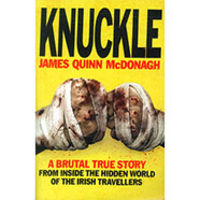
Irish travellers live in
a closed community. What
we think we know about
them is based on hearsay,
rumour and stereotype.
But not any more. Knuckle
is the true story of
James Quinn McDonagh ?
clan head and champion
bare-knuckle fighter.
Its a journey from
his grandfathers
horse-drawn caravan at
the side of the road to
the country lanes of
Ireland where he stood,
fists bloodied and
bandaged, fighting a
clan war that he never
asked for. Two men, two
neutral referees, a
country lane. No gloves,
no biting, no rests. The
last man standing wins,
takes home the money,
and more importantly,
the bragging rights.
Caught in a brutal cycle
of violence that has left
men dead, houses burned
and lives destroyed,
James tells a story that
opens up a hidden world ?
revealing why history
repeats itself, and why
he can never go home?
Availability: In Stock
£1.99
Available
-
Rumshott is one of the
finest landed estates in
England. However, when
James Aden takes up the
position of Deputy Agent
he does not realise the
full extent of what the
job entails.He finds
himself spending his days
negotiating with royalty,
farmers, and even
wildlife, as well as the
imperious Lady Leghorn.
In order to survive,
James must come to terms
with his role quickly,
and not let himself get
too distracted by Sophie,
the pre-college
assistant.
Availability: In Stock
£1.99
Available
-
The story of the only
person to attempt to
reach the North Pole by
balloon, and the golden
age of Polar Exploration.
In August 1930 a
Norwegian sloop sailing
in the Arctic Ocean
moored at a remote
island. Here, the crew
members found a body
leaning against a rock.
When they saw a large
monogram 'A' on the
body's jacket, they
realized who the
unfortunate adventurer
had been: S. A. Andree,
the Swede who, in 1897,
set off to discover the
North Pole, one of the
last unmapped places on
earth. The Ice Balloon is
the story of the heroic
era of polar exploration,
and the dream of
conquering one of the
most inhumane landscapes
on earth. In this golden
age of discovery,
Andree's ambition was the
most original and
remarkable. For, of the
thousand or so people who
had gone looking for the
Pole, most of whom
perished on the way,
only Andree used a
balloon.
Availability: In Stock
£2.99
Available
-
From one of our most
powerful writers, a work
of stunning frankness
about losing a daughter.
Richly textured with bits
of her own childhood and
married life with her
husband, John Gregory
Dunne, and daughter,
Quintana Roo, this new
book by Joan Didion
examines her thoughts,
fears, and doubts
regarding having
children, illness, and
growing old. Blue Nights
opens on July 26, 2010,
as Didion thinks back to
Quintana's wedding in New
York seven years before.
Today would be her
wedding anniversary. This
fact triggers vivid
snapshots of Quintana's
childhood - in Malibu,
in Brentwood, at school
in Holmby Hills.
Reflecting on her
daughter but also on her
role as a parent, Didion
asks the candid questions
any parent might about
how she feels she failed
either because cues were
not taken or perhaps
displaced. 'How could I
have missed what was
clearly there to be
seen?' Finally, perhaps
we all remain unknown to
each other. Blue Nights -
the long, light evening
hours that signal the
summer solstice, 'the
opposite of the dying of
the brightness, but also
its warning' - like The
Year of Magical Thinking
before it, is an iconic
book of incisive and
electric honesty.
Availability: In Stock
£2.99
Available
-
Not dead yet. Not
kidnapped, captured,
tortured or killed. But
he's come bloody close...
Meet 'Big' Phil Campion.
To his fellow operators
he's a private military
contractor. To you or me
he's a mercenary, a
soldier of fortune, a
gun for hire selling
violence to the highest
bidder. But to Big Phil
it's all just another
chapter in a life spent
fighting in the shadows.
Abandoned. Run-away.
Half-beaten to death.
Blown-up. Locked up. And
all before the age of
twenty. This is the
incredible true story of
how Phil Campion survived
all of that, and went on
to complete Commando
selection, Para
selection, and to join
the SAS - before fighting
as a mercenary in the
world's toughest war
zones. Undertaking
deniable operations,
freeing hostages and
escaping terrorists hell
bent on revenge - the
dangers and insane risks
of life as a private
military operator
eclipsed even those of
waging war in an SAS
Sabre Squadron. Big
Phil's story of life on
the private military
circuit ('The Circuit')
is a high-octane blend of
chasing fast bucks in a
Wild West industry,
whilst always staying one
step ahead of the bad
guys. 'I've often been
asked if I've killed
anyone. My answer: I
didn't shoot to miss.'
Phil Campion, January
2010.
Availability: In Stock
£3.99
Available
-
Run Baby Run is one of
the most powerful true
stories of our day. It
tells the tale of one
man, a legend among the
anarchic street gangs of
New York, broken and
transformed by God. At
one level, the story of
Nicky Cruz is a heady mix
of tribal warfare,
loyalty and betrayal,
sex, drugs and murder.
At another level, it
digs deep beneath the
pride and power that made
him one of the most
feared gang leaders in
the city, and reveals
the lonely, confused
heart of a man inwardly
running scared. An
encounter with the
unlikely character of
preacher David Wilkerson
led Nicky to open his
heart to Christ and his
incredible conversion
that amazed all who knew
him. This book has
remained a bestseller
since its first
publication over 40 years
ago. In that time it has
made a deep impact on the
lives of millions.
Availability: In Stock
£2.99
Available
-
The authorized history of
the world's oldest and
most storied foreign
intelligence service,
drawing extensively on
hitherto secret
documents. Britain&'s
Secret Intelligence
Service (also commonly
known as MI6) was born a
century ago amid fears of
the rising power of other
countries, especially
Germany. The next forty
years saw MI6 taking an
increasingly
important-and, until
now, largely hidden-role
in shaping the history of
Europe and the world.
This thorough,
fascinating, and
revelatory account draws
on a wealth of archival
materials never before
seen by any outsider to
unveil the inner workings
of the world's first spy
agency. MI6's early days
were haphazard but it was
quickly forged into an
effective organization in
the crucible of World War
I. During these war
years, MI6 also formed
ties with the United
States-harbingers of a
relationship that would
become vital to both
countries security as the
century progressed. These
early years also saw the
development of techniques
that would become plot
devices in a thousand
books and films-forgery,
invisible ink,
disguises, concealing
mechanisms, and much
more. The interwar years
were nominally peaceful,
but Britain perceived
numerous threats, all of
which MI6 was expected to
keep tabs on. The
outbreak of World War II
once again caught MI6 off
balance, and
high-profile blunders
(and the memoirs of MI6
operatives such as Graham
Greene) created an
impression of
ineffectiveness. At the
same time, however, the
service was pioneering
cryptography at Bletchley
Park (where the Enigma
code would be broken) and
devising the very methods
and equipment that would
inspire Ian Fleming's
novels.
Availability: In Stock
£5.99
Available
-
For Romany Eva
Petulengro, marrying
outside her culture was a
big step to take. And now
she had to adapt to
living with a gorger -
and her husband had to
adapt to living with her!
In this charming sequel
to The Girl in the
Painted Caravan, she
describes their first
eventful years of married
life in Brighton, and
the birth of their four
children She also reveals
how she became famous as
a clairvoyant, the
advice her clients
needed, and the attack
from an enraged wife who
assumed her husband's
meetings with Eva meant
he was having an affair.
In the Swinging Sixties,
a sheltered Romany girl
could easily find herself
out of her depth, and
Eva's innocence led her
into some strange
situations, including a
narrow escape from a
notorious duchess. She
also weaves in the story
of her wider family,
from her brother Nathan's
romance and the
adventures of her
charming brother Eddie to
her aunts and cousins in
Blackpool. Funny and
heartwarming, Caravans
and Wedding Bands is a
poignant reminder of a
time when life was
changing irrevocably for
the Romany, and yet
their spirit remained the
same.
Availability: In Stock
£1.99
Available
-
Details: An official
tie-in edition of this
eloquent and powerful
memoir, to accompany
Steve McQueen's major new
film starring Brad Pitt,
Michael Fassbender,
Benedict Cumberbatch,
Paul Giamatti, Chiwetel
Ejiofor and Quvenzhan?
Wallis. Solomon Northup
is a free man, living in
New York. Then he is
kidnapped and sold into
slavery. Drugged,
beaten, given a new name
and transported away from
his wife and children to
a Louisiana cotton
plantation, Solomon will
die if he reveals his
true identity. This is
the searing true story of
his twelve years as a
slave: the endless
brutality, daily
humiliations and constant
fear, but also the small
ways in which he and his
fellow men try to
survive. Twelve Years a
Slave is a unique,
unflinching record of
slavery from the inside,
and the incredible
account of one man whose
life was ripped from him
- and who fought to get
it back. 'A moving,
vital testament to one of
slavery's "many thousands
gone" who retained his
humanity in the bowels of
degradation' - Saturday
Review 'I could not
believe that I had never
heard of this book. It
felt as important as Anne
Frank's diary, only
published nearly a
hundred years before' -
Steve McQueen Solomon
Northup was a free man
kidnapped into slavery in
Washington, D.C. in
1841. Shortly after his
escape, he published his
memoirs to great acclaim
and brought legal action
against his abductors,
though they were never
prosecuted. The details
of his life thereafter
are unknown, but he is
believed to have died in
Glen Falls, New York,
around 1863. Ideal for:
People with an interest
in reading about 'African
American enslavement' and
American History. Ideal
for all history buffs.
This paper back measures:
19.7 x 12.7 x 1.5. Pages
229
Availability: In Stock
£2.99
Available
-
This brilliantly written
memoir takes the reader
on a journey into the
past, to a rural England
long gone, when horses
worked the fields and
small boys spent most of
their time outdoors. Ken
Sears was born in 1934 to
a poor farming family in
Hertfordshire - the fifth
child of what would be
eleven. He learns how to
fend for himself at an
early age. His boyhood
life coincides with
wartime, evacuees and
American GIs arriving in
his home town of Hemel
Hempstead (the Treacle
Bumpstead of the title).
At the age of nine he is
caught stealing eggs and
accused of killing a
chicken (which he denies
to this day) and is sent
to reform school for five
years. So begins a
punishing existence, but
it breeds a tough
teenager, and after
learning the trade of
bricklaying he is called
up to do his National
Service in 1952. So
begins his adventures in
the Army, in Europe and
Korea, where the
ever-plucky Ken - who has
an eye for the ladies and
is always landing himself
in trouble - finds
not-always legal ways to
make life that bit
easier. After the Army he
comes back to England and
sets up a building
business. From there he
sees his home town change
out of all recognition.
The story is a
characterful testament to
the resourceful
generation of the men who
did National Service,
fought wars, built towns
and stood up to
everything in their way.
Ken's story reads like
Commando Comics meets
Fred Dibnah.
Availability: In Stock
£2.99
Available
-
James Aden has his hands
full when he leaves the
comparative sanity of a
job on an estate in
Scotland when his wife
inherits a farm in
Suffolk. To supplement
the income from the farm,
he takes a job as an
agent on Sir Charles
Buckley's vast estate.
The list of problems,
and problematic
characters, that he has
to deal with is virtually
endless with rogue
chimney pots, unsavoury
tenants and delinquent
sheep giving him frought
days and sleepless
nights. There's no point
in counting sheep to get
to sleep when they simply
won't do as they're told.
Then there's the farm
secretary, Gail, whose
turbulent love life
provides James with even
more headaches than the
troublesome sheep,
without even the prospect
of a decent Sunday roast
to look forward to once
the troublemakers have
been put out of their
misery!
Availability: In Stock
£1.99
Available
-
Details: Born to parents
who were enthusiastic
naturalists, and linked
through his wider family
to a clutch of
accomplished scientists,
Richard Dawkins was bound
to have biology in his
genes. But what were the
influences that shaped
his life and intellectual
development? And who
inspired him to become
the pioneering scientist
and public thinker now
famous (and infamous to
some) around the world?
In An Appetite for Wonder
we join him on a personal
journey back to an
enchanting childhood in
colonial Africa. There
the exotic natural world
was his constant
companion. Boarding
school in England at the
age of eight, and,
later, public school at
Oundle introduce Dawkins,
and the reader, to
strange rules and
eccentric schoolmasters,
vividly described with
both humorous affection
and some reservation. An
initial fervent
attachment to Church of
England religion soon
gives way to disaffection
and, later, teenage
rebellion. Early signs of
a preference for music,
poetry and reading over
practical matters become
apparent as he recalls
the opportunities that
entered his small world.
Oxford, however, is the
catalyst to his life.
Vigorous debate in the
dynamic Zoology
Department unleashes his
innate intellectual
curiosity, and
inspirational mentors
together with his own
creative thinking ignite
the spark that results in
his radical new vision of
Darwinism, The Selfish
Gene. Ideal for: Fans of
Richard Dawkins and
people with a keen
interest in he's work,
science and his life.
Dawkins was voted the
world's top thinker in
"Prospect" magazine's
poll. This hardback
measures: 24.2 x 16 x
3.2cm. Pages:308
Availability: In Stock
£4.99
Available
-
The compelling
autobiography of one of
the great and most
committed newsmen of our
time: full, frank, and
occasionally very funny,
Jon Snow's memoirs are as
revealing about the great
and the not-so-good as
about his own passionate
involvement in the
reporting of world
affairs. Jon Snow is
perhaps the most highly
regarded newsman of our
time; his qualities as a
journalist and as a human
being - his passion,
warmth, intelligence,
frankness and humour -
are widely recognised and
evident for all to see
most nights on Channel 4
News and now in the pages
of his first book. His
vivid personal chronicle
is filled with anecdotes
and pithy observations,
and delightfully records
his life and times since
becoming a journalist in
the early 1970s. He
reported widely on Cold
War conflicts in Iran,
Iraq, Afghanistan,
Eritrea, Ethiopia,
Angola and Central
America before becoming a
resident correspondent in
Washington D.C. in the
1980s, and he has met
and interviewed most of
the world's leaders.
Drawing lessons from
these experiences, he
has pertinent things to
say about how the
increasing world disorder
came about following the
fall of the Berlin Wall;
how the West's constant
search for an enemy has
helped unhinge the world;
and how and why the media
have, in general, been
less than helpful in
drawing attention to key
political and global
developments.
Availability: In Stock
£1.99
Available
-
From the Sunday Times
bestselling author comes
a harrowing and moving
memoir about two innocent
and frightened
'unfosterable' children
who do not know what it
means to be loved. This
is the third book in the
series. The shock that
strikes Casey and her
family when Ashton and
Olivia arrive is
immeasurable. Two dirty,
frightened little waifs
stand before them, huge
eyes staring around their
new surroundings. Ashton
- 9, Olivia - 6, have
the same urchin look;
hair running wild with
head lice, filthy nails
and skin covered in
scabs. And the smell is
horrific. The eldest two
children of a group of
five siblings, Casey had
only been told they were
coming two days earlier.
But it was an emergency,
temporary placement, and
they were only due to
stay a couple of
weeks...Casey is
desperate to help these
poor, lost children,
who have been taken away
from their family because
they were considered at
risk, but before she can
even start to understand
the horrific things that
have happened in the
past, she has to teach
them the most basic of
behaviours. Ashton and
Olivia have no barriers
and no sense of what's
right and wrong - her
challenges begin with the
toilet and eating habits.
The weeks roll into
months and the months
roll on, but bit by bit
the children are starting
to feel like they truly
belong to a family, for
the first time. With this
new found security and
love, gradually they
start to reveal what
really happened to them
and their siblings at
home, and slowly Casey
can help them start to
rebuild their young
lives.
Availability: In Stock
£2.99
Available
-
One minute, 11-year-old
Carmen is watching her
hippy mum put curlers in
for the first time, the
next she is being dragged
with her sister through
LA airport with her
mother muttering about
'the patriarchy' under
her breath. The three of
them board a plane that
takes them to Peru, next
door to the Chile from
which the family had fled
after Pinochet's coup.
Eight days after landing
in Lima, and still
perplexed by their
mother's disguises and
lies, they're off again,
on a bus bound they know
not where. They are then
to spend most of the next
decade, the 1980s,
moving from dictatorship
to dictatorship, evading
capture, torture and
peril at every turn. It
is no way to spend your
teenage years, until,
overnight, it becomes
the way Carmen herself
chooses.
Availability: In Stock
£3.99
Available
-
From the author of
'Stuart: A Life
Backwards'; a warm and
witty portrait of a
harmless, eccentric,
bona fide genius.
Alexander Master's
landlord, Simon, lives
in the basement of their
Cambridge house. Between
teetering towers of
outdated maps and
slagheaps of plastic
bags, Simon eats endless
meals of tinned kippers
and plans trips on the
Cambridge public
transport system. But
Simon was one of the
greatest mathematical
prodigies of the
twentieth century. He
spends his time between
train journeys working on
a theoretical puzzle so
complex and critical to
our understanding of the
universe that it is known
as the Monster. Poignant
and comical, 'Simon: The
Genius in my Basement' is
about the frailty of
brilliance and how genius
matters very little in
the search for happiness.
Availability: In Stock
£2.99
Available
-
I'm half crazy, all for
the love of you... Daisy
is a mischievous ball of
yellow fluff who enjoys
chasing her tail and
wrestling with her
favourite toys. But life
is not all treats and
cuddles for the adorable
Labrador puppy; Daisy is
training to become a
service dog and will one
day become an invaluable
companion to an adult or
child with a disability.
Little Daisy spends the
weekdays with Keith, a
prison inmate who is able
to dedicate himself fully
to her training. At the
weekend she goes home
with Sharron Luttrell,
who introduces the
happy-go-lucky pup to the
chaos of family life. As
Sharron begins to fall in
love with Daisy, handing
her back to Keith becomes
increasingly painful. And
as the end of Daisy's
training programme
approaches, Sharron
wonders if she will ever
be able let her go...
Availability: In Stock
£2.99
Available
-
A beautifully written
insight into the
stresses, strains and
successes of working for
the London Ambulance
service. Is there anyone
who hasn't wondered about
the state of the occupant
of an ambulance,
screaming along with its
sirens on and blue lights
flashing? Have you? And
have you wondered about
the other people inside
the ambulance, maybe
fighting to save the
patient's life? Or have
you considered that the
ambulance may be another
'maternataxi' ordered by
a woman who can't be
bothered to book a real
cab and who then
complains she can't smoke
on the way to hospital?
And that the medical
technician inside might
just be desperate to get
back home from a busy
shift, to have a cup of
tea and catch up with his
blog? Meet Tom Reynolds.
Tom is an Emergency
Medical Technician who
works for the London
Ambulance Service in East
London. He has kept a
blog of his daily working
life since 2003 and his
award-winning writing is,
by turn, moving,
cynical, funny,
heart-rending and
compassionate. It is
never less than
compelling. From the
tragic to the hilarious,
from the heartwarming to
the terrifying, the
stories Tom tells give a
fascinating - and at
times alarming - picture
of life in inner-city
Britain, and the people
who are paid to mop up
after it.
Availability: In Stock
£2.99
Available
-
At the age of 22, Molly
was an aspiring chef. She
was spending her nights
reading cookbooks and her
days working at a bistro
in preparation for
training at the
prestigious Culinary
Institute of America. But
then one day while out
running, she was hit by
a car. The accident
fractured her skull,
broke her pelvis, tore
her knee to shreds - and
destroyed her sense of
smell. As the weeks went
by, the flesh and bones
began to heal, but she
still couldn't smell a
thing.And not being able
to smell meant not being
able to taste or cook,
and suddenly her
restaurant job, her
cookery school plans,
and her future as a chef
were all over. SEASON TO
TASTE follows what came
next: how Molly picked
herself up and set off on
a quest to learn to smell
again. Writing with
emotional honesty,
intellectual curiosity,
and a foodie's feel for
descriptive precision,
she explores the science
of olfaction,
pheromones, and Proust's
madeleine; she meets
leading experts,
including the writer
Oliver Sacks, scientist
Stuart Firestein, and
perfumer Christophe
Laudamiel; and she visits
a pioneering flavour
laboratory, eats at
Grant Achatz's legendary
Chicago restaurant
Alinea, and enrolls at a
renowned perfume school
in Grasse, all in an
effort to understand and
overcome her condition.
From cinnamon and cedar
wood, to bacon and her
boyfriend's shirt, Molly
Birnbaum gradually
rediscovers the scented
world and captures in
words - apt and piquant
words - the rich layer of
life that tends to be
wordless.
Availability: In Stock
£2.99
Available
-
NEXT, I APPLIED TO WORK
IN THE ACCOUNTS
DEPARTMENT, a sealed
room where women operated
clattering machines like
enormous typewriters.
After I had
catastrophically and
erroneously applied all
the wrong information to
several trolley loads of
documents and lumbered
the staff with weeks of
corrective work, I was
shown the door by a
tight-lipped manageress.
I knew what was coming.
Over the relentless,
furious din of machinery,
I lip-read the familiar
words: "Lacks the
necessary aptitude."
Pam Ayres early childhood
in Stanford in the Vale
was idyllic in many ways,
and typical of that
experienced by a great
swathe of children born
in rural areas in the
immediate post-war years.
Though her parents,
generation was harrowed
by war, better times
were coming. Everything
the family needed was
within walking distance
in the village, and life
with four older brothers
and a sister in their
crowded council house was
exceedingly lively. In
her late teens, Pam grew
dissatisfied with her
life as a Civil Service
clerk with only the
local, hope for
scintillating excitement.
Having seen three of her
brothers called up for
National Service and sent
off to exciting
destinations, Pam felt
desperate for travel and
adventure. She joined the
WRAF and soon found
herself in the Far East.
There she began to write
in earnest, and develop
the unique talent that
would make her one of
Britains favourite
comics... Written with
Pams much-loved
combination of humour and
poignancy, The Necessary
Aptitude is a beautifully
written memoir of her
early years.
Availability: In Stock
£3.99
Available
-
In a fly-blown bar in
West Africa, British war
reporter James Brabazon
found himself being
briefed on covert
military plans to
overthrow the government
of Equatorial Guinea by
one of Africa's most
notorious mercenaries -
his friend Nick du Toit.
The Byzantine plot, its
farcical execution and
its tragic consequences
led to Simon Mann and a
host of celebrated
guns-for-hire falling
victim to their own
avaricious plans,
Machiavellian scheming
and ruthless
double-crosses. In a
twist of fate, James
Brabazon remained free.
His mercenary friend
wasn't so lucky. Nick du
Toit was sentenced to
serve thirty-four years
in Black Beach prison,
Africa's most notorious
jail - a sentence which
James could have been
serving alongside him.
Their unlikely friendship
began two years earlier
on the bloody
battlefields of the
Liberian civil war. With
Nick as his bodyguard,
James was the only
journalist to film behind
rebel lines. Establishing
him as a brave and
talented filmmaker, the
war tested James's
physical and moral
boundaries to the limit -
and opened a door on to a
dangerous world of
mercenaries, spies and
violent regime change. MY
FRIEND THE MERCENARY
recounts James's
courageous journey into
the Liberian war, and
tells the inside story of
the most infamous coup
attempt in recent
history. Through this
gripping narrative,
James Brabazon explodes
the myth of the modern
mercenary, and paints a
moving portrait of an
extraordinary friendship.
It is a brutally honest
book about what it takes
to be a journalist,
survivor and friend in
the morally corrosive
crucible of war.
Availability: In Stock
£4.99
Available
-
Winner of the 2011 Dayton
Literary Peace Prize for
Non-Fiction In 1961,
young, black,
eighth-grade dropout
Wilbert Rideau despaired
of his small-town future
in the segregated deep
south of America. He set
out to rob the local bank
and after a bungled
robbery he killed the
bank teller, a
fifty-year-old white
female. He was arrested
and gave a full
confession. When we meet
Rideau he has just been
sentenced to death row,
from where he embarks on
an extraordinary journey.
He is imprisoned at
Angola, the most violent
prison in America, where
brutality, sexual
slavery and local
politics confine
prisoners in ways that
bars alone cannot. Yet
Rideau breaks through all
this and finds hope and
meaning, becoming editor
of the prison magazine,
going on to win national
journalism awards. Full
of gritty realism and
potent in its evocation
of a life condemned,
Rideau goes far beyond
the traditional prison
memoir and reveals an
emotionally wrought and
magical conclusion to his
forty-four years in
prison.
Availability: In Stock
£3.99
Available
-
Robert Davies first went
to China in 1988 as an
overland backpacker and,
after a hair-raising two
months touring Pakistan,
found himself in Kashgar,
the fabled Silk Road
city. Here his life was
irrevocably changed when
he fell head over heels
in love with Sharapet,
an Uighur lady who was
already married with a
ten-year-old daughter.
Love made them blind to
the bureaucracy they had
to face, strong for the
thousands of miles they
had to travel to obtain
permission to marry, and
resolute against the rage
of Sharapet's
revenge-seeking
ex-husband. But Robert
became involved in the
trafficking of hashish.
Arrested and taken 2, 500
miles across China to
Shanghai, he was
sentenced to eight and a
half years behind bars in
one of the largest, most
overcrowded jails in Asia
- fighting against a
corrupt system in grim
conditions, with death a
constant threat. He had
suffered a legal process
where law was merely a
word and justice was as
elusive as the holy grail
and he believed the
Chinese authorities had
blatantly used him and
other foreigners as
propaganda tools.
Availability: In Stock
£3.99
Available
-
Details: First Man: The
Life of Neil Armstrong is
the first and only
authorised biography of
one of America's most
celebrated yet enigmatic
heroes, Neil Armstrong.
It is considered the
definitive biography of
Armstrong and lauded for
the way Hansen addresses
the complex legacy of
Armstrong as both an
astronaut and an
individual. On 20 July
1969, the world stood
still to watch
38-year-old astronaut
Neil Armstrong become the
first person ever to walk
on the Moon. Perhaps no
words in recent human
history became better
known than those few he
uttered at that historic
moment. Upon his return
to Earth, Armstrong was
honoured and celebrated
for his achievement. But
he was also
misunderstood. As
authorised biographer
James Hansen reveals in
this fascinating and
important book, it was
the act of flying that
had driven Armstrong
rather than the pull of
the destination, from
his distinguished career
as a fighter pilot in the
Korean War right through
to his most famous
mission. Drawing on
flight logs, family
interviews, NASA
archives and over 125
original interviews with
key participants, First
Man vividly re-creates
Armstrong's life and
career, from the heights
of honour earned as a
naval aviator, test
pilot and astronaut, to
the dear personal price
paid by Armstrong and,
even more so, by his
wife and children, for
his dedication to his
vocation. It is a unique
portrait of a great but
reluctant hero. Ideal
for: Fans of Neil
Armstrong and for anyone
with an interest in he's
extraordinary life. This
paperback book has 768
pages and measures: 19.8
x 13 x 5cm
Availability: In Stock
£2.99
Available
-
Four-year-old Lisa's
world turned upside down
when her step-father
moved in. Most of the
time he was just violent
but then he started
making her do things she
knew were wrong. Soon he
was visiting her at
night. Lisa begged her
mother for help but she
just shrugged, telling
Lisa he would have his
way. It was the greatest
betrayal of all. At first
Lisa's step-father would
just make her stroke and
massage his feet,
hitting her if she
stopped, but he soon
wanted more. Much more.
By the time she was 12 he
was regularly abusing
her. One day, when Lisa
turned 16, she came home
to discover that her
mother had swapped
bedrooms with her.
'You're my girlfriend
now', her step-father
told her. Lisa turned to
her mother for help, but
was met with a shrug. She
wouldn't hear a word
against her husband.
'Don't blame me, ' she
said. Her step-father's
abuse was horrific but
what completely tore her
apart was knowing her
mother knew and
encouraged it. Trapped
and increasingly
desperate, Lisa tried to
find a way out. But her
isolation was complete.
Several months later her
mother told her she'd
arranged for Lisa and her
step-father to move into
a flat together down the
road. It was too much for
Lisa to bear. 'Please
don't make me, please, '
she sobbed. But her
mother just ignored her.
Lisa was marched around
to the flat with her
possessions and her
nightmare was complete.
Alone with her
step-father, Lisa's life
became even more
unbearable. Then one day,
finally, she got the
chance she'd been looking
for to escape. Lisa
bravely struck out on her
own, petrified her
mother would find her and
hand her back into the
waiting arms of her
step-father. But Lisa's
mother had no idea how
determined she was to
break away...
Availability: In Stock
£2.99
Available
The Elephant Whisperer:
Learning About Life, Loyalty
And Freedom From A Remarkable
Herd Of Elephants
Learning About Life, Loyalty
And Freedom From A Remarkable
Herd Of Elephants
-
When South African
conservationist Lawrence
Anthony was asked to
accept a herd of 'rogue'
wild elephants on his
Thula Thula game reserve
in Zululand, his common
sense told him to refuse.
But he was the herd's
last chance of survival -
dangerous and
unpredictable, they
would be killed if
Anthony wouldn't take
them in. As Anthony
risked his life to create
a bond with the troubled
elephants and presuade
them to stay on his
reserve, he came to
realise what a special
family they were, from
the wise matriarch Nana,
who guided her herd, to
her warrior sister
Frankie, always ready to
see off any threat, and
their children who fought
hard to survive. With
unforgettable characters
and exotic wildlife,
this is an enthralling
book that will appeal to
animal lovers and
adventurous souls
everywhere.
Availability: In Stock
£3.99
Available
-
In 2005, Jill Anderson
went on trial at Leeds
Crown Court for the
manslaughter of her
husband of eight years.
Paul, a 43-year-old
linguist, had been
suffering for several
years from the
debilitating effects of
ME and Chronic Fatigue
Syndrome with
complications, and had
previously attempted
suicide. But one day,
while Jill was out of the
house, he took enough
pills to ensure his own
death. When she returned
home Paul told Jill he
had 'taken enough this
time' and begged her not
to get assistance. She
honoured her beloved
partner's wishes and,
although consumed by
grief, allowed him to
slip slowly away. Then
the full weight of the
law came down upon her.
She was interrogated by
Harrogate Police, had
her passport taken away,
and faced up to 15 years
in jail. Her story was
followed by the nation's
media and, although too
unwell to take the stand
at her trial, she was
acquitted by a unanimous
not guilty verdict. This
is Jill's powerfully and
elegantly written full
story of the most intense
emotional journey. Stark
police interview
transcripts sit alongside
the love story of Jill
and Paul's early, happy
years before they faced
the desperation of living
with a medical issue with
no known cure. This
astonishingly honest book
leaves the reader asking:
'What would I have done
in her situation?' It is
an unforgettable and
deeply moving account of
love in extremis.
Availability: In Stock
£3.99
Available
-
'I can identify the exact
moment when things began
to change. It was a cold
winter afternoon. I had
just turned three.'
Emerging shyly from her
hiding place, Mineko
encounters Madam Oima,
the formidable
proprietress of a
prolific geisha house in
Gion. Madam Oima is
mesmerized by the child's
black hair and black
eyes: she has found her
successor. And so Mineko
is gently, but firmly,
prised away from her
parents to embark on an
extraordinary career, of
which she will become the
best. But even if you are
exquisitely beautiful and
the darling of the okiya,
the life of a geisha is
one of gruelling
professional demands. And
Mineko must first contend
with her bitterly jealous
sister who is determined
to sabotage her success.
..Captivating and
poignant, GEISHA OF GION
tells of Mineko's
ascendancy to fame and
her ultimate decision to
leave the profession she
found so constricting.
Availability: In Stock
£2.99
Available
-
Continuing his memoirs of
his time on Sir Charles
Buckley's estate, James
Aden deals with obstacles
from the discovery of
Roman treasure to the
tramp living in the attic
of Frampton Hall; he
finds his days varied,
especially with the
arrival of Sir Charles's
heir, Sebastian who
provides him with
insights into the life of
the traditional landed
estates as they slowly
come to terms with the
twenty first century.
Availability: In Stock
£1.99
Available
-
- Are muddy carrots worth
the hassle? - Can a
natural deodorant survive
a salsa class? - Will
clothes swapping ever
replace clothes shopping?
Two years ago Kate Lock
set herself a series of
eco-challenges to find
out the answers to these
questions and many more.
From kicking her
supermarket habit to
composting her kitchen
waste, Kate's
confessions are witty and
down-to-earth. An
inspirational and
practical guide for
anyone venturing into a
greener world.
Availability: In Stock
£2.99
Available
-
After training as a
teacher, Pete
Postlethwaite started his
acting career at the
Liverpool Everyman
Theatre where his
colleagues included Bill
Nighy, Jonathan Pryce,
Antony Sher and Julie
Walters. After routine
early appearances in
small parts for
television programmes
such as THE
PROFESSIONALS,
Postlethwaite's first
success came with the
acclaimed British film
DISTANT VOICES, STILL
LIVES in 1988. He then
received an Academy Award
nomination for his role
in THE NAME OF THE FATHER
in 1993. His performance
as the mysterious lawyer
"Kobayashi" in THE USUAL
SUSPECTS is also
well-known, and he has
appeared in many
successful films
including ALIEN 3,
BRASSED OFF, THE
SHIPPING NEWS, THE
CONSTANT GARDENER, as
Friar Lawrence in Baz
Luhrmann's ROMEO +
JULIET, and in INCEPTION
with Leonardo diCaprio.
He is one of the
best-loved and widely
admired performers on
stage, TV (SHARPE, THE
SINS) and in cinema. In
THE ART OF DISCWORLD,
Terry Pratchett said that
he had always imagined
Sam Vimes as 'a younger,
slightly bulkier version
of Pete Postlethwaite',
while Steven Spielberg
called him 'the best
actor in the world',
about which Postlethwaite
says: 'I'm sure what
Spielberg actually said
was, the thing about Pete
is that he thinks he's
the best actor in the
world.' This is the story
of a diverse and
multi-talented actor's
eventful like, told in
his own candid and
vibrant words.
Availability: In Stock
£3.99
Available
-
Everyone knows three
things about the Women's
Institute: that they
spent the war making jam;
the sensational Calendar
Girls were WI; and, more
recently, that
slow-handclapping of Tony
Blair. But there's so
much more to this
remarkable Movement. Over
200, 000 women in the UK
belong to the WI and
their membership is
growing. They cross class
and religion, include
all ages -from students
and metropolitan young
professionals, such as
the Shoreditch Sisters,
to rural centenarians
-with passions that range
from supporting the 1920s
Bastardy Bill (in
response to a wartime
legacy of illegitimate
babies) to the current
SOS for Honey Bees
campaign. It was founded
in 1915, not by worthy
ladies in tweeds but by
the feistiest women in
the country, including
suffragettes, academics
and social crusaders who
discovered the heady
power of sisterhood,
changing women's lives
and their world in the
process. Certainly its
members boiled jam and
sang ' Jerusalem ', but
they also made history.
This fascinating book
reveals for the first
time how they are - and
always were - a force to
be reckoned with.
Availability: In Stock
£9.99
Available
-
In MY HEROES the 'world's
greatest living explorer'
(Guinness Book of
Records), writes about
the people who have
inspired him - from
explorers to policemen,
families to freedom
fighters. Wherever in the
world Ranulph gives one
of his lectures or
motivational speeches,
someone always asks: 'Who
inspired you to do all
the crazy things you've
done?' For the first time
he explores this idea by
revealing his own
personal heroes and what
lessons their actions may
have taught him in his
own often hazardous
profession. This book
describes the
extraordinary and often
horrific events that led
to these ordinary
individuals becoming
Ranulph's great heroes.
From polar survivor to
knifed-and-beaten
policeman, from a woman
missionary to a special
forces soldier, these
wonderful people will
make you proud to be part
of the human race.
Availability: In Stock
£5.99
Available
-
In MY HEROES the 'world's
greatest living explorer'
(Guinness Book of
Records), writes about
the people who have
inspired him - from
explorers to policemen,
families to freedom
fighters. Wherever in the
world Ranulph gives one
of his lectures or
motivational speeches,
someone always asks: 'Who
inspired you to do all
the crazy things you've
done?' For the first time
he explores this idea by
revealing his own
personal heroes and what
lessons their actions may
have taught him in his
own often hazardous
profession. This book
describes the
extraordinary and often
horrific events that led
to these ordinary
individuals becoming
Ranulph's great heroes.
From polar survivor to
knifed-and-beaten
policeman, from a woman
missionary to a special
forces soldier, these
wonderful people will
make you proud to be part
of the human race.
Availability: In Stock
£3.99
Available
-
When this book was
originally published in
1915 in association with
the Women's Co-Operative
Guild it proved to be a
sensation! For the first
time, working women were
able to put across their
point of view on
maternity. In humbling
autobiographical
portraits that are as
valuable today as they
were a hundred years go,
women tell of the horrors
of bringing ten children
into the world in as many
years, of not being able
to afford a doctor or
nurse and of the physical
and emotional strain of
bringing these large
families with very little
money. These
extraordinary and
inspiring stories of
poverty and hardship
remind us of women's
astounding endurance and
the strength of a mothers
love.
Availability: In Stock
£2.99
Available
-
A life lived on the road
and a heart that will
always belong
thereImagine being born
into a world where
communities are
constantly on the move,
but freedom is not a
birthright.Rosie grew up
travelling all over
England and Ireland in
her family's caravan. She
had an idyllic childhood
roaming fields and
meadows with her younger
brothers and sisters -
free from the trappings
of modern life, but
restricted by the
expectations of her
culture.When Rosie was
14, the family's
happiness was shattered
when her grandfather -
who was loved and
respected by the whole
community - was killed in
a tragic
accident.Suddenly
everything in Rosie's
life unravelled and she
was forced to abandon the
traditional way of life
she loved. Her family
fell apart in grief and
Rosie tried her best to
take care of her younger
siblings and hold the
family
together.Eventually
though life at home
became unbearable and
Rosie met Stevie, a
traveller boy who
promised her a different
kind of life. Sadly
though, Stevie was
battling his own demons
and Rosie's journey to
freedom had only just
begun...
Availability: In Stock
£4.99
Available
-
In prison you see only
the moves of the enemy.
Prison is the hardest
place to fight a battle.'
117 Days is Ruth First's
personal account of her
detention under the
iniquitous '90-day' law
of 1963. There was no
warrant, no charge and
no trial - only
suspicion. This sparsely
written and unique record
tells of her experiences
of solitary confinement,
constant interrogation
and instantaneous
re-arrest on release -
lightened by humorous
portraits of governors,
matrons, wardresses and
interrogators, seen as
the tools of the police
state.
Availability: In Stock
£1.99
Available
-
On April 13th 2004,
Gloria Hunniford's 41
year old daughter, Caron
Keating, died after a
secret seven year battle
with cancer. The world
that had changed with
Caron's diagnosis, now
shattered. Life had been
cruelly interrupted, a
black hole opened in
Gloria's heart, she was
consumed with the
unimaginable grief that
the loss of a child
brings and she was alone.
Or so she felt. Within
days of Caron's death
letters started to
arrive. People who had
lost their children felt
compelled to write.
Strangers understood what
she was going through
often more than the
family and friends
standing next to her.
There were many, many
dark days but the letters
kept coming and somehow
she managed to do the
impossible. Wake up
everyday, get out of
bed, breath. The black
hole is still there,
sometimes as big as ever,
but she has found a way
to live with it, around
it. This is the story of
how Gloria and her family
survived Caron's death,
but it is not only her
story. It is written for
those who held her while
she raged. It is written
for all those people who
helped her through that
first terrible year by
writing, but mostly it
is written for the many
thousands who didnt.
Grief is lonely, but as
this book shows, you are
not alone. Death affects
us all at some point.
Gloria will never again
be the carefree woman she
once was, the loss of a
loved one is always with
you, but so are the
living This is how she
found her way back to
them.
Availability: In Stock
£2.99
Available
-
Nostalgic, witty and
filled with characters
and situations that
people of all ages will
recognise, Dear Lupin is
the entire correspondence
of a Father to his only
son, spanning nearly 25
years. Roger Mortimer's
sometimes hilarious,
sometimes touching,
always generous letters
to his son are packed
with anecdotes and sharp
observations, with a
unique analogy for each
and every scrape Charlie
Mortimer got himself
into. The trials and
tribulations of his youth
and early adulthood are
received by his father
with humour,
understanding and a touch
of resignation, making
them the perfect reminder
of when letters were
common, but always
special.A racing
journalist himself,
Roger Mortimer wrote for
a living, yet still
wrote more than 150
letters to his son as he
left school, and lived
in places such as South
America, Africa,
Weston-super-Mare and
eventually London. These
letters form a memoir of
their relationship, and
an affectionate portrait
of a time gone by.
Availability: In Stock
£1.99
Available
-
This is the true story of
Jason, whom Shane meets
first in a residential
home just after he has
left college. Jason is a
tiny, frightened
five-year-old who has
stopped speaking, and
who terrorises even the
older children with his
angry, violent
behaviour. Gradually,
with remarkable patience,
Shane and the team win
Jason s trust and,
slowly, he begins to
speak and reach out for
the help and comfort he
so desperately needs.
Availability: In Stock
£2.99
Available
-
John McLaren has
dedicated his life to
rescuing mistreated
donkeys. When he finds
Pollyanne at a livestock
auction - unloved and
horribly frail - he knows
immediately that if he
doesn't take her home to
the sanctuary he has made
his life's work, she
stands little chance of
surviving. John soon
discovers that despite
her terrible start in
life, Pollyanne has the
X factor: she is destined
for more than the local
nativity play. The bright
lights of the West End
beckon and before long,
Pollyanne is appearing
onstage with opera's
biggest stars. She may
have hit the animal
A-list, but Pollyanne's
no diva. When the curtain
comes down, there's
nowhere she'd rather be
than at home with John
and her four-legged
friends. Sarah Oliver's
Pollyanne is a
heart-warming true story
of unconditional love -
and a Little Donkey with
star quality.
Availability: In Stock
£1.99
Available
-
As American astronauts
were launched on
death-defying missions,
television cameras
focused on the brave
smiles of their wives.
Overnight, these women
were transformed from shy
military spouses to
American royalty: having
tea with Jackie Kennedy,
attending high society
galas, and being
featured on the cover of
Life magazine. They
quickly grew into fashion
icons, donning
sherbet-swirled Pucci
dresses and lacquering
their hair into
extravagant rocket styles
(to match their husbands'
spaceships). Annie Glenn
was the envy of the other
wives, with her many
magazine features;
platinum-blonde bombshell
Rene Carpenter was
proclaimed JFK's
favourite; homely Betty
Grissom worried her
husband was having
affairs; Louise Shepard
just wanted to be left
alone to her card games;
and licensed pilot Trudy
Cooper arrived on base
with a dirty secret.
Together they rallied to
form the Astronaut Wives
Club, which has now
turned into over 40 years
of enduring friendship.
Sexy and sophisticated,
rich in melodrama, and
set against the uniquely
atmospheric backdrop of
the Space Age, THE
ASTRONAUTS' WIVES CLUB
tells the real story
behind some of the
biggest heroes in
American history,
chronicling their
romantic, domestic, and
public dramas during the
Mad Men era.
Availability: In Stock
£2.99
Available
-
A new memoir from Sunday
Times and New York Times
bestselling author Cathy
Glass. Eight-year-old
Aimee was on the child
protection register at
birth. Her five older
siblings were taken into
care many years ago. So
no one can understand why
she was left at home to
suffer for so long. It
seems Aimee was
forgotten. The social
services are looking for
a very experienced foster
carer to look after Aimee
and, when she reads the
referral, Cathy
understands why. Despite
her reservations, Cathy
agrees to Aimee on -
there is something about
her that reminds Cathy of
Jodie (the subject of
'Damaged' and the most
disturbed child Cathy has
cared for), and reading
the report instantly tugs
at her heart strings.
When she arrives, Aimee
is angry. And she has
every right to be. She
has spent the first eight
years of her life living
with her drug-dependent
mother in a flat that the
social worker described
as 'not fit for human
habitation'. Aimee is so
grateful as she snuggles
into her bed at Cathy's
house on the first night
that it brings Cathy to
tears. Aimee's aggressive
mother is constantly
causing trouble at
contact, and makes
sweeping allegations
against Cathy and her
family in front of her
daughter as well. It is a
trying time for Cathy,
and it makes it difficult
for Aimee to settle. But
as Aimee begins to trust
Cathy, she starts to
open up. And the more
Cathy learns about
Aimee's life before she
came into care, the more
horrified she becomes.
It's clear that Aimee
should have been rescued
much sooner and as her
journey seems to be
coming to a happy end,
Cathy can't help but
reflect on all the other
'forgotten children' that
are still suffering...
Availability: In Stock
£3.99
Available
-
Entertaining,
instructive,
thought-provoking and
hilarious, the
unmistakeable voice of
Deborah Devonshire rings
out of this volume which
combines her two
collections of
'occasional' writings -
Home to Roost and
Counting My Chickens. The
pieces are broad and
eclectic in their
subjects, ranging from
treasures unearthed while
the kitchen was being
redecorated, musings
about the reason for the
reworded town sign,
tourism at Chatsworth, a
ringside view of both
John F. Kennedy's
inauguration and funeral,
and the value of
deportment. No matter
what she's writing about
she is always
affectionate, shrewd and
uproariously funny.
Availability: In Stock
£2.99
Available
-
Internationally acclaimed
science writer Lone Frank
swabs up her DNA to
provide the first truly
intimate account of the
new science of
consumer-led genomics.
She challenges the
business mavericks intent
on mapping every baby's
genome, ponders the
consequences of
biological
fortune-telling, and
prods the psychologists
who hope to uncover just
how much or how little
our environment will
matter in the new genetic
century - a quest made
all the more gripping as
Frank considers her
family's and her own
struggles with
depression.
Availability: In Stock
£3.99
Available
-
WINNER OF THE ORWELL
PRIZE 2012. This is the
tale of the Welsh Guards
in Helmand in 2009.
Underequipped and
overstretched, guardsmen
from the coal mining
valleys and slate quarry
villages of Wales found
themselves in Helmand in
some of the most intense
fighting by British
troops for more than a
generation. They were
confronted by a Taliban
enemy they seldom saw,
facing the constant
threat of Improvised
Explosive Devices and
ambush. Leading them into
battle was Lieutenant
Colonel Rupert Thorneloe,
destined for the highest
ranks. He was a
passionate believer in
the war but was dismayed
by how it was being
conducted. Dead Men Risen
will unnerve politicians
and generals alike. In
chilling detail, Toby
Harnden reveals how and
why Thorneloe was killed
by an IED during
Operation Panther's Claw.
Harnden, who had known
Thorneloe since they met
in Northern Ireland in
1996, was on the ground
in Helmand with the Welsh
Guards. He draws on a
trove of military
documents, including
many by Thorneloe, the
first British battalion
commander to die in
action since the
Falklands war of 1982.
Major Sean Birchall left
behind an unvarnished
account of the
shortcomings of the
Afghan forces that
represent Nato's exit
strategy. Lieutenant Mark
Evison wrote a diary that
raises questions from
beyond the grave. It was
more than half a century
since a British battalion
had lost officers at
these three key levels of
leadership. By the time
the fighting was over,
almost no rank had been
spared. A visceral and
timeless account of men
at war, Dead Men Risen
conveys what it is like
to be a soldier who has
to kill, face paralysing
fear and watch comrades
perish in agony. Given
unprecedented access to
the Welsh Guards,
Harnden conducted more
than 300 interviews in
Afghanistan, England and
Wales. The searing heat
of the poppy fields and
mud compounds of Helmand
to the dreaded knock on
the door back home, the
reader is transported
there. Harnden weaves the
experiences of the
guardsmen and their loved
ones into an unsparing
narrative that sits
alongside a piercing
analysis of military
strategy. No other book
about modern conflict
succeeds on so many
levels. Dead Men Risen is
essential for anyone who
wants to learn the
reality of Britain's war
in Afghanistan.
Availability: In Stock
£3.99
Available
-
Siobhan was a Belfast
girl from a working class
family who grew up to
become a university
professor and
world-renowned authority
on English and Irish
literature having been
diagnosed with terminal
cancer and all but given
up for lost. In February
2000 she embarked on a
pilgrimage to Lourdes
after which her cancer
completely disappeared.
Her prayer had been
answered. And even
though, seven years
later the cancer
returned, Siobhan was
able to die peacefully
with the knowledge that
her time had come.
Renowned journalist and
broadcaster Derek
Jameson, Siobhan's
father-in-law, and his
wife Ellen unfold the
remarkable life of this
child of the Troubles and
the unwritten pact she
reached beside the holy
grotto at Lourdes.
Availability: In Stock
£2.99
Available
-
Winifred Phillips was
born in Ilford, Essex,
in 1926, one of four
children. Sent to a
convent boarding school,
which she loathed, she
trained as a nursery
nurse and met George
Wheeler, a 19-year-old
RAF trainee wireless
operator. The pair fell
in love and spent a happy
year together, only to
say goodbye in 1943
before he was sent on
bombing missions to
Germany. They kept in
touch with regular
letters but he went
missing in 1944 and
nobody knew what happened
to him. Determined to see
something of the world,
Winifred joined the
Auxiliary Territorial
Service in 1948 and
enlisted in the Women's
Royal Army Corps a year
later. For the next two
decades she travelled the
globe and reached the
rank of Warrant Officer
Class 2. Her story offers
a unique insight into the
lives of female service
personnel in the 1950s
and '60s. She writes
wittily and candidly
about her time in the
army, how life was lived
in the mess and the
NAAFI, and the scrapes
she got into. But she
never forgot George. And
she never married. At the
age of 70, she went on a
journey to find out what
happened to the only man
who would ever win her
heart and, 50 years
after he disappeared,
she was finally able to
pay her respects. In
2009, after ten years of
campaigning, Win became
the first ever female
Chelsea Pensioner to be
accepted at the Royal
Hospital Chelsea, where
she lives today.
Availability: In Stock
£2.99
Available
-
In 2011 Tina Renton used
her law degree to put the
man who had abused her
from the age of six
behind bars. That man was
her stepfather, David
Moore, a predatory
paedophile who pounced on
Tina while she innocently
lay sleeping at night.
From the age of six until
she was fifteen, Tina
was subjected to David
Moore's warped brutality.
As a teenager she told
her mother and teacher
that she was being raped
but, incredibly, no
action was taken. Alone,
with nowhere to turn for
help, she drew on her
inner strength to
survive, knowing that
she would someday get
justice. In fact she
waited until adulthood to
see justice done. In
spite of having had
virtually no education,
she was accepted by Essex
University and graduated
with a 2:1 in Law in
2009. While studying she
realised that although
the abuse had happened
many years earlier, she
could finally take her
stepfather to court and
make him pay for stealing
her childhood. She told
her story to the police
in 2009 and two years
later, she saw Moore
sentenced to 14 years for
rape and sexual abuse.
Her brave and shocking
story throws a spotlight
on how children are
failed by adults when
they need them most.
Tina's determination to
fight against the odds
and never give up is an
inspiration to anyone who
has ever wanted to see
justice done.
Availability: In Stock
£1.99
Available
-
When Richard Benson was
growing up he felt like
'the village idiot with
O'levels' - glowing
school reports aren't
much help when you're
trying to help a sow give
birth, or drive a power
harrow in a straight line
without getting half the
hedgerow stuck in the
tines. He left Yorkshire
to work as a journalist
in London, but returned
when his dad called with
the news that they were
going to have to sell the
family farm, and, in so
doing, leave the home
and livelihood that the
Bensons had worked for
generations. This is not
only a moving personal
account, but also one
that reflects a profound
change in rural life.
Availability: In Stock
£2.99
Available
-
It's 3 a.m. and Elizabeth
Gilbert is sobbing on the
bathroom floor. She's in
her thirties, she has a
husband, a house,
they're trying for a baby
- and she doesn't want
any of it. A bitter
divorce and a turbulent
love affair later, she
emerges battered and
bewildered and realises
it is time to pursue her
own journey in search of
three things she has been
missing: pleasure,
devotion and balance. So
she travels to Rome,
where she learns Italian
from handsome,
brown-eyed identical
twins and gains
twenty-five pounds, an
ashram in India, where
she finds that
enlightenment entails
getting up in the middle
of the night to scrub the
temple floor, and Bali
where a toothless
medicine man of
indeterminate age offers
her a new path to peace:
simply sit still and
smile. And slowly
happiness begins to creep
up on her.
Availability: In Stock
£3.99
Available
-
For all those people who
say they aren't cat
people, but deep down
know they are. Helen
Brown wasn?t a cat
person, but her
nine-year old son Sam
was. So when Sam heard
someone mention that her
cat had just had a
litter, he pleaded to go
and see them. Seeing Sam
holding one of the tiny
kittens in his hands,
Helen was powerless to
resist and the deal was
done ? to be delivered
when the kitten was big
enough to leave her
mother. Just a week
later, Sam was killed in
a road accident. Not long
after this, a little
black kitten was
delivered to the
familys doorstep.
Totally numbed by Sam's
death, Helen had
completely forgotten
about the new arrival,
which belonged in another
universe when Sam was
still alive. Helen was
ready to send her back,
but Sams younger
brother, Rob,
identified with the
kitten who?d also lost
her brothers. Stroking
her, it was the first
time Helen had seen him
smile since Sams
death. There was no
choice, the kitten ?
dubbed Cleo ? had to
stay. Cleos immense
character slowly taught
the family to laugh
again, giving them hope
of getting back to
normal. She went on to
become the high priestess
of Helens household
- vetoing her new men,
terrifying visiting dogs
and playing an integral
role in their lives to
become both a guardian
and friend.
Availability: In Stock
£1.99
Available
-
Four sisters, four very
different characters. But
they have always been
there for each other,
through the hard times as
well as the good.Now they
describe growing up
performing from as young
as two, what it was like
when fame suddenly hit
and how it caused rifts
in their close-knit
family. Linda opens up
about her devastation
when her beloved husband
died just as she was
coping with breast
cancer. Bernie tells how
she suffered through the
hearbreak of losing her
unborn child and recently
faced her own cancer
battle, Coleen talks
about her marriages and
reveals new secrets, and
Maureen describes her
sadness at the
devastating family feud
that saw her much loved
older sisters fall out
with her, Linda, Bernie
and Coleen. And they
share the joy of getting
back on stage for their
thirtieth anniversary
tour - four survivors who
found that age doesnt
matter when it comes to
having a great time.
Availability: In Stock
£1.99
Available
-
Doctors told Margret
Dagmar that her son Keli,
who lives with a severe
form of non-verbal
autism, would never be
able to communicate; she
was told that he would be
best off locked in an
institution for the rest
of his life. Driven by a
love for her child,
Margret embarked on a
mission to find a way to
connect with him. Oscar
Award-winning actress
Kate Winslet paired up
with Margret and Keli to
produce a documentary
film about their journey.
The team found an
organization called
Helping Autism Learning
Outreach (HALO), where
specialists taught Keli
other ways to
communicate. He now
composes beautiful and
deeply moving poetry; one
poem Keli wrote is called
"The Golden Hat, which
describes a magical hat
that enables an autistic
boy to communicate.
Inspired by Keli's poem,
Winslet developed a way
to raise awareness and
funds to support autism
outreach. Her project
asks friends to pass a
hat-chosen from Kate's
closet-from one to
another, after they've
each taken a
self-portrait wearing it.
The list of those
photographs includes
Angelina Jolie, Steven
Spielberg, Oprah, Sting,
Daniel Craig, and many
more.
Availability: In Stock
£2.99
Available
-
The dramatic race to
transplant the first
human heart spanned two
years, three continents
and five cities against a
backdrop of searing
tension, scientific
brilliance, ethical
controversy, racial
strife and emotional
turmoil. It culminated in
a terrifying moment in
the early hours of 3
December 1967 when, in a
cramped operating theatre
in a Cape Town hospital,
Professor Chris Barnard
stared into an empty
cavity from which he had
just removed a heart. He
knew that he had only
minutes left to make
history and save the life
of a 55-year-old man by
filling the gaping hole
in his chest with a heart
which had just been
beating inside a
25-year-old woman. EVERY
SECOND COUNTS is the
story of this gripping
race to conquer the
greatest of medical
challenges. The kind of
true story that would be
dismissed as far-fetched
if presented as fiction,
it combines an utterly
compelling portrait of
cutting-edge science with
raw human drama, and
shows how the course of
medicine itself was
changed for ever.
Availability: In Stock
£1.99
Available
-
The story of the only
person to attempt to
reach the North Pole by
balloon, and the golden
age of Polar Exploration.
In August 1930, a
Norwegian sloop, sailing
in the Arctic Ocean,
stopped at a remote
island, where its crew
members foudn a book,
together with a boathook
stamped 'Andree's Pol.
Exp 1896'. Not far from
the boat was a body
leaning against a rock,
with its frozen legs
extended. They carefully
opened the jacket the
corpse was wearing. When
they saw a large monogram
'A', they knew who they
were looking at: S. A.
Andree, the Swede who,
in 1897, set off to
discover the North Pole,
one of the last unmapped
places on earth. The Ice
Balloon is the story of
the heroic age of polar
exploration, and the
dream of conquering one
of the most inhumane
landscapes on earth. In
this golden age of
discovery, Andree's
ambition was the most
original and remarkable,
with many comparing him
to Columbus for novelty
and daring. For, of the
thousand or so people who
had gone looking for the
Pole, at least seven
hundred and fifty of whom
had died, only Andree
used a balloon.
Availability: In Stock
£3.99
Available
-
The shocking true story
of a brutal kidnapping
high in the mountains of
Kashmir that marked the
beginning of modern
terrorism. They have come
in search of many things
- nirvana, exhilaration,
a sense of self. But
over the course of the
next week, their
holidays take a
terrifying turn when they
become entangled in a
nail-biting hostage drama
that will suck them into
an alien world of jihad
and Islamic
fundamentalism. In the
months that follow,
their fates will become
caught-up in a bloody
struggle between India
and Pakistan, fought out
in the airless heights of
Kashmir. With the world
looking on, four of the
captured travellers will
vanish off the face of
the earth, never to be
seen again, creating one
of the region's great
mysteries. Written with
access to diaries,
letters, unprocessed
film and personal
recollections from those
enmeshed in the drama,
drawing on classified
police reports and secret
tape recordings of Indian
government negotiations,
as well as interviews
with the jihadis
themselves and excerpts
from their journals,
Adrian Levy and Cathy
Scott-Clark's book is a
real-life thriller, a
startling but compelling
story told from the
perspective of all
involved. The Meadow
charts how the fates of
two groups of young men
from different
hemispheres became
inextricably entwined on
the mountain trails they
followed. It tells of the
terrifying escape of one
hostage, the
heart-rending secret
letters another wrote on
birch bark and hid in his
clothing as he
contemplated his
situation, and how,
with a brutal beheading,
the kidnappers took an
irreversible step into
the abyss. Packed with
explosive revelations,
The Meadow provides the
first definitive answers
as to what happened to
the missing backpackers,
revealing how the
kidnapping of July 1995
changed the face of
modern jihad, its
architects going on to
sow the seeds of a
cold-hearted war against
the West.
Availability: In Stock
£2.99
Available
-
It has been said that
"The history of childhood
is a nightmare from which
we have only recently
begun to awake'. This
nightmare was
particularly evident on
the streets of Victorian
London when society was
going through a massive
and tumultuous change. In
the nineteenth century,
the population in Britain
trebled from 10 million
to 32 million bringing
with it numerous social
problems, principally
poverty and attendant
ill-health. Many of the
victims of this upheaval
were children who made up
40 per cent of the
population (compared to
20 per cent now). This
led to an increased focus
on the role children
played in society seen
most famously in the
writings of Charles
Dickens. Indeed Charles
Dickens became one of the
chief supporters of the
new children's hospital
founded at Great Ormond
St to alleviate infant
suffering and death. The
ensuing history of the
hospital is no less
intriguing and this book
charts its rise to become
a world famous
institution, surviving
the blitz, pioneering
many medical procedures
and saving many lives.
Wonderful pictures
accompany the fascinating
text along with celebrity
anecdotes and stories
from the children
themselves.
Availability: In Stock
£3.99
 Denmark