

 United Kingdom
 France
 Germany
 Netherlands
 Sweden
 USA
USA
 Italy
Italy
 Spain
Spain

Books>Nature>Natural History General




Available
-
A guide to gemstones.
Ranging from Amber to
Rubellite, it lets you
discover over 130
varieties of cut and
uncut stones, organic
gemstones and precious
metals. It covers from
what a gemstone is and
where they occur to the
natural properties they
have and how they have
been fashioned and
imitated through the
ages. It is suitable for
gemstone lovers.
Availability: In Stock
£8.49
Available
-
A comprehensive guide to
the gems and ornamental
stones, as well as the
naturally occurring
minerals that have long
been prized as gemstones,
such as diamonds,
emeralds and rubies. It
covers 'organic gems',
including pearls, amber
and coral, and synthetic
gems and stimulants, or
imitations.
Availability: In Stock
£8.49
Available
-
Offers an illustrated
presentation of the
diverse themes that
constitute the past at
the southern tip of
Africa. This title
combines human and
carnivore evolution,
colonial slavery and
apartheid, science and
romance to show how we
create the past and also
how we understand the
present.
Availability: In Stock
£10.99
Available
-
A guide to the American
grasslands and the
Grasslands National Park
of Canada, this work
presents a history of the
region, including the
establishment of the
national grasslands as an
important part of the New
Deal's social revolution.
It also provides a
summary of the debates
surrounding preservation
and use.
Availability: In Stock
£11.99
Available
-
This easy to use
identification guide to
more than 400 of the
larger fungi found in
Britain and Northern
Europe has an illustrated
key that makes it
straightforward to match
each species to its
entry. Each species has
its own colour
illustration and a
concise description
including size, growing
season, key
characteristics,
fruitbody and spores,
habitat and culinary
value with all poisonous
species are clearly
marked. This book has 256
pages and is 19cm x
11.6cm x 1.5cm
Availability: In Stock
£1.99
Available
-
Suitable for kids, this
guide to the Natural
History Museum, London
is packed with facts for
the family including
puzzles, games and
quizzes. It is developed
around themes that
showcase the Museum
galleries. It explores
behind the scenes at the
Museum including what
Museum scientists do,
what's in the vast
collections and why they
are so useful.
Availability: In Stock
£4.99
Available
-
A guide to finding and
preparing food from
hedgerows, parks,
fields, woods, rivers
and seashore. It covers
foraging in the urban
environment as well as
the countryside. It shows
the reader Where, How
and When to find the best
edible berries, leaves,
flowe
Availability: In Stock
£5.49
Available
-
A guide to insects. It
lets you discover over
550 insects, spiders and
other terrestrial
arthropods, ranging from
wasps to beetles. It
focuses on 300 of the
main insect families. It
features photos,
annotations and
descriptions which help
you to identify different
insects. It is suitable
for nature lovers.
Availability: In Stock
£8.49
Available
-
Reveals the Earth's
spectacular environments.
Dealing with the
beautiful forms and
patterns the earth
presents to the eye from
above, this title
presents views of
landforms on different
continents, from
mountains and seas to
deserts, forests and
even man-made
environments.
Availability: In Stock
£8.49
Available
-
Birders are a community
of obsessional people,
almost all male, who
sacrifice most of their
spare time, sometimes
their chances of a
partner or family, even
occasionally their lives,
for birds. This is the
story of that community,
of its characters, its
Availability: In Stock
£8.49
Available
-
A guide to over 400
species of reptiles and
amphibians from around
the world ranging from
the Tomato Frog to the
Cornsnake. It features
600 photos, annotations
and descriptions
highlighting the
characteristics and
distinguishing marks
which help you to
identify different
species of reptiles and
amphibians quickly.
Availability: In Stock
£8.49
Available
-
An easy-to-use
identification guide to
280 different species of
mushroom and toadstool
most commonly found in
Britain, Ireland and
other parts of Northern
Europe. The authoritative
text describes key
identification features
with tips on how to
identify poisonous
species, each
illustrated with colour
pictures. There is also a
helpful section on
mushroom hunting, and
finding the ones that are
good to eat. This book
has 160 pages and is 18cm
x 12.7cm x 1cm
Availability: In Stock
£1.99
Available
-
Explores the flora and
fauna, customs and
traditions that give the
English countryside its
unique charm and special
identity. From the
standing stones and
carvings of our ancestors
to the modern farming
methods and woodland
management, this title
lets you discover many
facts about rural
England.
Availability: In Stock
£8.49
Available
-
Explore the extraordinary
environments that make up
the world's oceans, from
surface to the the
seafloor. Discover the
diversity of marine life,
from microscopic
plankton to the colossal
blue whale. Detailed
photos, illustrations
and diagrams provides an
insight into what lies
beneath the waves.
Includes two giant
posters packed with
essential information on
ocean zones and coral
reefs.
Availability: In Stock
£4.99
Available
-
The shark's basic design
was perfected by Mother
Nature 100 million years
ago. This book explores
the natural and cultural
history of a creature
that has a prominent
place in mythology, the
imagination, and even
religion. It also
analyses the ways that
the shark has been
sensationalised in
literature and film.
Availability: In Stock
£8.49
Available
-
Tracking the hare from
ancient Egypt, where a
hieroglyph of the animal
signified existence
itself, to the serial
hare works of artist
Joseph Beuys, this book
finds its subject in many
surprising places and
forms: from Crucifixion
scenes, Buddhist lore
and Algonquin creation
myths, to witch trials,
treatises on logic, and
contemporary poetry.
Availability: In Stock
£8.49
Available
-
It is exactly like Isaiah
11:6: The wolf also shall
dwell with the lamb, and
the leopard shall lie
down with the kid...
Written by National
Geographic magazine
writer, this title
documents one heart
warming tale after
another of animals who,
with nothing else in
common, bond in the most
unexpected ways. A cat
and a bird. A mare and a
fawn.
Availability: In Stock
£8.49
Available
-
From the Atlantic and the
South Pacific to the
Caribbean and the Red
Sea, this book covers
the oceans with a wide
range of aerial and
underwater photography,
and even photographs from
space. It includes a
chapter on beautiful sea
creatures and powerful
underwater predators, as
well as all the other
delicate life of our
oceans.
Availability: In Stock
£8.49
Available
-
Explains the findings in
dinosaur research and the
scientific discoveries
that have built up a
picture of how dinosaurs
looked, what they ate,
and how they moved and
interacted with each
other. Combining many
areas of science, such
as anatomy, genetics, f
Availability: In Stock
£6.49
Available
-
The squat, noisy duck
occupies a prominent role
in the human cultural
imagination, as
evidenced by everything
from the rubber duck of
childhood baths to the
flying ducks on living
room walls. This title
explores the universality
of this quacking bird
through the course of
human culture and
history.
Availability: In Stock
£8.49
Available
-
Apes to look at them is
to see ourselves in a
mirror. Our close genetic
relatives fascinate and
unnerve us with their
similar behaviour and
social personalities. The
author delves into our
contradictory
relationship with the
ape, which often reveals
as much about us as
humans as it does about
the apes themselves.
Availability: In Stock
£8.49
Available
-
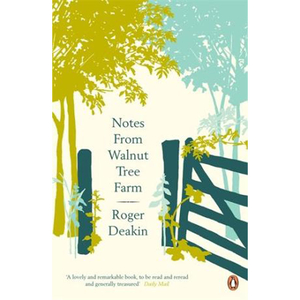
Capturing the author's
turn of phrase and
inspired use of language,
and infused throughout
with the magically
meditative tranquillity
of Walnut Tree Farm,
this book presents an
introduction to one of
the most important of
modern nature writers. It
contains descriptions of
walks on Mellis Common
and thoughts on the
importance of nature.
Availability: In Stock
£8.99
Available
-
Provides an overall
description of Canada's
forests, their
historical uses, and
their changing
conditions. This work
examines ten forest
regions of Canada,
looking at how the human
use of these forests has
changed, since the end
of the last glacial
period. It analyses the
changes in human
attitudes towards the
forests.
Availability: In Stock
£7.99
Available
-
Donkey follows the story
of this faithful,
hard-working animal,
which despite its
critical role in human
history, has often
received little respect
and explores the animal's
variety of social,
cultural, religious and
symbolic meanings,
especially its
representations in
Western art and
literature.
Availability: In Stock
£8.49
Available
-
A wide-ranging, thorough
account of the spider, a
creature with a rich
symbolic presence in the
human imagination, this
book analyses the spider
in art, literature,
horror stories, science
fiction and film and also
looks at arachnophobia,
and the psychological
association of the spider
with dominant women or
mothers.
Availability: In Stock
£8.49
Available
-
Explore the undergrowth
and search the skies to
discover creepy-crawlies
and flitting fliers of
all shapes and sizes.
Uncover astounding facts
about how bugs live,
including what they eat
and how they defend
themselves. Amazing
photographs and
illustrations provide a
vivid account of what
bugs look like in their
natural habitats.
Includes two giant
posters and an
easy-to-assemble
tarantula model.
Availability: In Stock
£4.99
Available
-
Seen from space, the
oceans define our planet.
They are vast almost
beyond our ability to
imagine, dwarfing the
continents on which we
spend our lives. To many
of us the oceans are
another world, unvisited
and strange. This book
opens that world up and
invites us in to share in
its marvel and
mysteries. Discover the
awesome beauty of the
oceans and their most
spectacular inhabitants.
Travel from tropical
reefs to the icy waters
around the world
Availability: In Stock
£2.99
Available
-
There is so much to know
about the ever changing
natural world, but it's
impossible to remember
what we have ever learnt
about the range of
subjects encompassed by
the term 'nature'. This
guide to the natural
world is suitable for
those who want to relearn
the most important and
interesting facts about
our fascinating
environment.
Availability: In Stock
£8.49
Available
-
This collection of essays
apply biographical
perspectives to the
illumination of key
scientific concepts and
their history, ranging
from the discovery of the
scourge of syphilis by
Fracastero in the 16th
century to Isabelle
Duncan's 19th-century
attempt at reconciling
scripture and
palaeontology.
Availability: In Stock
£8.49
Available
-
Attempts to follow the
example writers such as
Paul Thoreau and Tim
Cakill. This book
features chapters
starting with
line-drawings. It
contains pieces that are
short, with a bit of
philosophy and an
interest in the human
story - such as the man
who planted one billion
trees and the bird writer
who committed suicide
because he stole some
photos.
Availability: In Stock
£10.49
Available
-
Of more than 8, 000 bird
species, the swan is
surely one of the most
easily recognised.
Airborne, the swan is a
majestic sight: with its
long, slender neck
outstretched, it glides
gracefully with slow,
strong wing-beats. This
title offers a
comprehensive natural and
cultural history of this
most dignified of birds.
Availability: In Stock
£8.49
Available
-
'I had never planned to
become a Savannah baboon
when I grew up; instead I
assumed I would become a
mountain gorilla, '
writes the author in this
chronicle of a
scientist's coming of age
in remote Africa. He
writes about people and
their society as he does
about animals and theirs.
Availability: In Stock
£8.49
Available
-
For most of us, snails
do not elicit feelings of
warmth or affection.
Apart from our repugnance
at its appearance, our
relationship with the
snail has been influenced
by the harm it has
inflicted over the years
on our garden seedlings.
The author intends to
change our perspectives
on this little but much
maligned creature.
Availability: In Stock
£8.49
Available
-
Nature no longer controls
our planet - we do. It is
humanity, 'the God
species', that will
decide the Earth's
future. But the tools for
sustainability must
include the very
technologies
environmentalists say
will spell disaster.:
nuclear power,
geo-engineering and GM
crops. This blistering
and urgent manifesto,
Mark Lynas discards old
orthodoxies and maps out
radical new ways to
tackle the Earth's most
urgent ecological
challenges. This book has
280 pages and is 19.7cm x
13cm x 1.8cm
Availability: In Stock
£1.99
Available
-
Science provides some
remarkable insights into
animal behaviour, with
crocodiles, for example,
emerging as devoted
parents, and elephants -
like whales - able to
communicate with each
other across long
distances by ultrasound.
This title contends that
emotions - including
grief - can potentially
have a survival value for
a species.
Availability: In Stock
£8.49
Available
-
Written from the birds'
points of view, this
collection includes tales
that feature dramatic
bird-rescue stories
ranging from the smallest
hummingbird to the
largest golden eagle.
Filled with informative
facts about the vast
variety of bird species
rescued, it discusses
the miraculous
similarities and
differences of each
species.
Availability: In Stock
£19.49
Available
-
The animals loosely
termed fish constitute
more than half of all
known vertebrate species.
This title deals with
their modes of
reproduction, whether by
external or internal
fertilization. It also
deals with complementary
topics: testes, sperm,
and sperm competition;
endocrinology of
reproduction; and,
pheromones and
reproduction.
Availability: In Stock
£68.49
Available
-
A practical guide to
identifying, collecting
and understanding all
types of fossil. The
introduction describes
how fossils form and the
history of ancient life,
and the classification
and distribution of
fossils are described,
giving essential
background information
for collectors.
Availability: In Stock
£8.49
Available
-
Springtails (collembola)
are the most common
insects in terrestrial
ecosystems. This work
reviews the biology of
the group and covers the
insects classification,
behaviour, physiology,
evolution and response to
pollution. A list of
collembola genera is
included along with more
than 2500 references.
Availability: In Stock
£84.99
Available
-
We are all fascinated by,
and often wary of, the
tiny creatures that creep
and crawl in our gardens
or lurk in the dark
corners of our homes,
but how much do we really
know about insects and
their relatives? This
book intends to encourage
our understanding of
various types of bugs
that can be found in our
back gardens and beyond.
Availability: In Stock
£8.49
Available
-
Written by a director of
The Wildlife Trusts, who
is also an award-winning
writer and expert on
natural history.
Illustrated with over 120
intricate and beautifully
drawn colour artworks. An
easy-to-follow layout
aids quick and accurate
identification of
species.
Availability: In Stock
£1.99
Available
-
The twelfth book in the
New Holland series
examines New Zealand's
fascinating geology.
Almost every kind of rock
found on Earth can be
seen in New Zealand, and
most of the common
minerals too. This guide
will help you recognise
and make sense of common
(and some rare) rocks and
minerals found on beaches
and hillsides, in
streams and elsewhere.
Availability: In Stock
£8.49
Available
-
Behind the fragile beauty
of butterflies lie
astonishing feats and
talents, some familiar,
some unknown, many
documented here in
amazing detail. Perhaps
the most incredible feat
of all is the 2, 000 mile
migration of the Monarch
butterfly. Once a year
millions of a special
long-living generation of
Monarchs migrate from the
north-eastern United
States and southern
Canada to the Oyamel fir
forests of Mexico, where
they survive the winter.
But then, as soon as
they feel the first
warmth of the spring they
all set out on the return
journey through the Rio
Grande and Texas,
procreating on the way,
until the second and
third generations arrive
back at the Great Lakes
to start the cycle all
over again. Award-winning
nature photographer Ingo
Arndt has followed them
on their journey while
the accompanying
informative text by
Claus-Peter Lieckfeld and
Peter Huemer explains the
latest research on the
migration and describes
in detail the
transformation from
caterpillar to
magnificently coloured
butterfly. But this is
not the only wonder in
the world of butterflies,
a world full of
surprises. There are
butterflies that are
masters of disguise and
others that are imposters
or mimic their poisonous
relatives to protect
themselves from
predators. Ingo Arndt has
photographed them all and
in so doing has created a
beautiful record of the
butterflies themselves,
their existence, habits
and life cycle. A fitting
tribute to this
extraordinary species.
This book has 191 pages
and is 29.2cm x 22.cm x
2.3cm
Availability: In Stock
£3.99
Available
-
Argues that progress and
increasing complexity are
not inevitable features
of the evolution of life
on Earth. This book
states that if we wish to
see grandeur in life, we
must discard our selfish
and anthropocentric view
of evolution and learn to
see it as Darwin did, as
the unfathomably rich
source of 'endless forms
most beautiful and
wonderful'.
Availability: In Stock
£8.49
Available
-
This is a fascinating
identification guide to
help you spot more than
40 butterfly and moth
species found in the UK.
Key information and
photographs accompany
beautifully detailed
illustrations for every
species. Use the
interactive boxes to
write notes, sketch your
finds and stick in your
own photos. Discover the
differences between
butterflies and moths,
find out about their
incredible life-cycles,
and learn how to
encourage them into your
garden.
Availability: In Stock
£2.99
Available
-
This text offers Martin
Martin's narrative of his
journey around the
Western Isles, with
information on custom,
tradition and life, and
an account of St Kilda,
published in 1697, and
Sir Donald Monro, High
Dean of the Isles, visit
after the fall of the
Lords of the Isles,
written in 1549.
Availability: In Stock
£9.99
Available
-
There is a secret side to
nature. The wildlife that
we observe during
daylight is sometimes
radically different to
what can be seen or heard
during the night or at
dawn or dusk. Vincent
Albouy and Jean
Chevallier's guide to
nocturnal and crepuscular
wildlife includes a
wealth of advice on how
to watch, plus
illustrated accounts
detailing the
identification features,
distribution and habits
of more than 250 species
of invertebrates, fish,
amphibians, reptiles,
birds, mammals and
plants. This unique guide
is aimed at broadening
the knowledge of the
field naturalist and
opens the door into a
hidden world.
Availability: In Stock
£2.99
Available
-
This comprehensive and
easy to use
identification guide
covers every fish species
in Europe. The
authoritative text gives
insight into the lives of
fish, their physiology,
behaviour and
development, ecology and
conservation. This book
has 272 pages and is 19cm
x 11.6cm x 1.7cm
Availability: In Stock
£1.99
Available
-
How to Grow a Tree is a
guide to everything you
need to know to grow a
tree from seed. Featuring
80 native and ornamental
species, the book will
give growing tips,
facts, statistics and
tree trivia as well as
colour illustrations of
each tree. Each tree is
detailed with height,
shape, fruit, leaves,
flowers, bark and more.
Illustrated with
photography and line
drawings throughout, the
book is an ID guide as
well as a practical
handbook for growers.
Availability: In Stock
£2.99
Available
-
Weather - The Ultimate
Book of Meteorological
Events is a compilation
of some of the best
weather photography and
writing in the world.
Adapted from over 20
years of stunning
material from the
best-selling Weather
Guide Calendar, this
deluxe, comprehensive
volume includes over 40
essays from over 20
contributors and
authorities in the fields
of meteorology and
climate change. Explore
some of he most relevant
weather-related issues
and events of recent
years, from tornado and
hurricane forecasting to
the process and
ramifications of cloud
seeding to enhance
rainfall. Global warming
is examined in depth
through a variety of
climate factors, from
the melting of polar ice
caps or increased
desertification, to the
dramatic changes in our
atmosphere due to global
pollution and increased
carbon dioxide emissions.
More than 100
photographers have
contributed hundreds of
awe-inspiring images to
Weather. These
individuals have captured
some of the most dramatic
weather events in the
last two decades. Often
they've found themselves
in the midst of
hurricanes, tornadoes,
and lightning storms.
Thankfully they've lived
to share their most
dramatic stories and
images with us. Also
included are U.S and
International Monthly
Climatic Data Charts,
365 of weather trivia,
and significant events in
meteorological history.
With a foreword by D.
James Baker, Ph D. -
former administrator of
the NOAA and Under
Secretary for Oceans and
Atmosphere at the U.S
Department of Commerce,
and current chair of the
review committee for the
World Climate Research
Program.
Availability: In Stock
£4.99
Available
-
A guide to rocks and
minerals. Featuring 600
photos, precise
annotations and
descriptions - from the
distinguishing features
of rocks to which crystal
system a mineral belongs
to - it helps you
identify different rocks
and minerals quickly and
easily.
Availability: In Stock
£8.49
Available
-
A gift of flowers has
long been a popular way
to mark an event.
Everyone knows to send
red roses to their
sweetheart, few may
realise an entire
language of flowers was
created by early romantic
Victorians. By
attributing a unique
definition to each
flower. Every bouquet
delivered a special
message. This beautifully
illustrated miscellany
contains 50 profiled
flowers, a dictionary
searchable by emotion,
and ideas for creating
arrangements for specific
occasions. This book has
187 pages and is 19.7cm x
13.6cm x 2cm
Availability: In Stock
£4.99
Available
-
One of our greatest
experts on the salmon is
also a writer of
exquisite natural
history. 'Indispensable
and powerful... To Sea
and Back mingles history
with biography and
science - Shelton writes
with a poet's ear - A
writer to be prized.'Tom
Adair, Scotsman
Availability: In Stock
£8.49
Available
-
A guide to fossils.
Featuring more than 1,
000 photographs of over
500 species, it enables
you to recognize species
instantly. It offers
coverage ranging from
what a fossil is, how
they are classified to
how to start a
collection. It is
suitable for fossil
lovers, as well as for
collectors.
Availability: In Stock
£8.49
Available
-
Offers an introduction to
butterflies, explaining
the differences between
butterflies and moths,
the life cycle and
structure of butterflies,
their movement and
migration patterns, and
helpful information on
the distribution and
habitats of the main
family groups. This book
is suitable for both
experienced naturalists
and newcomers to the
subject.
Availability: In Stock
£8.49
Available
-
This book will help you
identify over 350 animals
from the clues they leave
behind. From big cats to
birds, rhinos to
reindeer, this book
tells young wildlife
enthusiasts what to look
for when tracking their
favourite beasts: tracks
and footprints,
droppings and pellets,
animals homes and hiding
places, and more. The
size of this book is 28cm
in height and 21.4cm wide
with 192 pages.
Availability: In Stock
£2.99
Available
-
Hurricane Katrina. The
Indian Ocean Tsunami.
Killer Tornadoes. Planet
Earth's extremes of
weather are making news
as never before, and now
Life explains why, in a
book that collects some
of the greatest
photographs of natural
disasters ever assembled.
From earthquakes to
tornadoes, lightning to
tsunamis, Life Nature's
Fury illuminates the
hidden natural forces
that shape our lives in
splendid and terrible
ways. Life travels back
to before Noah's flood
and looks at the frenzied
activity that led to the
death of the dinosaurs.
The volcano that might
have sunk the legendary
Atlantis is discussed,
as is the one that led to
the poignant mummies of
Pompeii. In our times,
Life presents 25 natural
disasters of the last
century and a-half in
vivid photography.
Interspersed are special
sections that answer the
questions: What is a
hurricane? What is a
Tsunami? And, what is an
earthquake? This helps
the reader understand the
phenomenal forces behind
the almost unbelievable
imagery. This book has
128 pages and is 35 x
26.4 x 1.7 cms
Availability: In Stock
£3.99
Available
-
What Is Afromontane
Forest? What creatures
inhabit these forests,
and how do they
interrelate with one
another and their
environment? Are these
forests under threat?
This guide provides the
answers to these facts
about the energy flows,
nutrient cycles and other
ecological processes of
the living communities of
the Afromontane forest
habitat.
Availability: In Stock
£10.49
Available
-
Feed your imagination
with this unique insight
into the world of
extremes. Dedicated to
exploring only the
explosive,
extraordinary, and
incredible, these
adrenaline-packed pages
reveal everything from
speed machines and storm
chasers to ferocious
predators and super
volcanoes.
Availability: In Stock
£4.99
Available
-
Although it might seem
the most mundane of fish
when pulled from the mud
of creeks, ponds,
rivers or the sea, the
eel's life cycle is one
of the most remarkable on
the planet. The author
chronicles these
creatures in all their
aspects: their natural
history to their market
value; their occurence in
art and literature; and
their threatened status.
Availability: In Stock
£8.49
Available
-
Violent Earth is the
ultiate visual guide to
the dramatic forces that
shape our planet with
devastating results and
often without warning.
With hundreds of
incredible and innovative
graphics you are taken on
a spectacular tour of
Earth's shifting tectonic
plates, volcanic peaks,
restless oceans and
extreme weather. All whil
uncovering the science
behind the headlines of
recent natural disasters.
Availability: In Stock
£9.99
Available
-
This spectacular guide
explores the mysteries of
animal migration over
land, through oceans and
by air. Lavishly
illustrated with more
than 300 colour
photographs, maps, and
illustrations, Animal
Migration covers every
continent as it traces
the routes of 50
remarkable migrations -
including those of polar
bears, wildebeest,
hummingbirds, iguanas,
sharks and many others.
There is an illustrated
introduction that
explains how migration
works and why animals
migrate, either as part
of mass migrations or on
individual journeys. It
also describes the
navigation, reproduction
and feeding strategies of
these animals, as well
as discussing the growing
threats facing migratory
wildlife today. The three
sections that follow look
in detail at the most
extraordinary voyages
animals take across land,
oceans and by air.
Profile boxes give fast
facts on each species;
informative maps draw on
the latest research to
show migration routes in
different seasons; and,
special features focus on
topics of particular
interest. With a
supplementary catalogue
of the world's greatest
places to observe
migration, this
beautiful and
authoritative book will
appeal to all wildlife
enthusiasts. This book
has 176 pages and is
29.7cm x 25.5cm x 1.9cm
Availability: In Stock
£3.99
Available
-
Dealing with the natural
history of birds, this
book provides a review of
over 300 species to be
found in the Caribbean
islands. It identifies
the key features for each
species, along with
notes on status,
distribution, habitat,
breeding biology, diet
and behaviour. It also
includes helpful hints on
bird-watching and bird
photography.
Availability: In Stock
£8.49
Available
-
An identification guide
to 280 species of
wildlife most commonly
found in the gardens of
Britain, Ireland, and
other parts of Northern
Europe. It includes
sections on birds,
mammals, reptiles and
amphibians, butterflies,
moths and other insects,
spiders, trees and
shrubs, wildflowers,
and fungi.
Availability: In Stock
£8.49
Available
-
This is a beautiful and
indispensable guide that
will appeal to the expert
and amateur alike whether
young or old. It offers a
wealth of information on
identifying nearly 130 of
the most commonly
encountered bird species
in Britain and Northern
Europe. Its compact size
means it can be used not
only for home reference
but also as a pocket
companion in the field.
Illustrated with nearly
130 detailed colour
artworks and accompanied
by accessible yet
informed text this guide
is a wonderful addition
to any shelf. The
Wildlife Trusts and
Wildlife Watch - the UK's
leading club for young
environmentalists - have
been speaking out for
wildlife since 1912 and
play a key part in
restoring the balance
between new developments
and the natural world.
With the specialist
skills of volunteers and
staff they manage more
than 2, 300 wildlife
reserves.
Availability: In Stock
£1.99
Available
-
This is Derek Brockway's
confession: he is
obsessed with the
weather, and has been
for most of his life. He
is not unlike thousands
of the television viewers
who watch his daily
forecasts without fail,
of course, but his
passion goes much further
than curiosity about
tomorrow's sun and rain.
He loves meteorology
itself; he loves to watch
the skies, to read the
cloud patterns and record
the temperature. Anyone
who has seen him present
a weather report will
know that Derek is in his
element with the charts
and weather symbols,
especially when extreme
weather is on the way.
Availability: In Stock
£3.99
Available
-
In this book Alan
Titchmarsh takes us on a
journey of discovery
through the habitats of
the British Isles. For
the size of Britain there
are many different ranges
of natural environments,
from mountains, forests,
lakes and wildlife. This
book provides detailed
pictures of plants and
animals that live here
followed by detailed
descriptions of the
species. This book is
28.1cm in height and
22.4cm wide with 336
pages.
Availability: In Stock
£6.99
Available
-
The Story of the Fly and
How it Could Save the
World will take you
behind the pesky
reputation and inside the
brain and body of the
much misunderstood fly.
But ultimately it
introduces the fly as a
future hero that could
help save the world. How?
By rec
Availability: In Stock
£8.49
Available
-
Uncover the hidden habits
of your garden's birds
with this fascinating
guide. With in-depth
profiles featuring key
information about each
breed's unique
characteristics. Discover
amazing facts about the
unusual habits of your
feathered friends.
Stunning colour
photographs and artworks
aid identification and
clarify behaviour.
Availability: In Stock
£4.99
Available
-
For thousands of years
people have been
fascinated by birds, and
today that fascination is
still growing. In 2007
bird-watching is one of
the most popular
pastimes, not just in
Britain, but throughout
the world, and the range
of interest runs from the
specialist to the
beginner. In The Wisdom
of Birds, Birkhead takes
the reader on a journey
that not only tells us
about the extraordinary
lives of birds - from
conception and egg,
through territory and
song, to migration and
fully fledged breeder -
but also shows how, over
centuries, we have
overcome superstition and
untested 'truths' to know
what we know, and how
recent some of that
knowledge is. It was only
in the nineteenth century
that the ancient belief
that swallows hibernated
under water (!) finally
gave way to general
acceptance of the facts
of migration. In the same
century of dazzling
experimental science,
even Darwin chose not to
dwell on the sexual
promiscuity of female
birds to spare the
blushes of his daughter,
who was helping to
correct the proofs of The
Descent of Man. Conceived
for a general audience,
and illustrated
throughout with more than
100 exquisitely beautiful
illustrations, many of
them rarely, if ever,
seen before, The Wisdom
of Birds is a book full
of stories, knowledge
and unexpected
revelations.
Availability: In Stock
£6.99
Available
-
Though John Price had
lived in Iowa all his
life, the allure of the
prairie had somehow
eluded him until a brief
glimpse of native
wildlife suddenly brought
his surroundings home to
him. This is a memoir of
Price's rediscovery of
his place in the American
landscape and of his
search for a new
relationship with the
life of the prairie.
Availability: In Stock
£7.99
Available
-
Deals with the taxonomy
of the Crustacea,
specifically crustaceans
from the Southern
Hemisphere, with
contributions describing
new taxa from Australia,
New Caledonia, the
Tasman Sea, Fiji,
Madagascar and
Antarctica. This issue
comprises six papers on
the
Availability: In Stock
£32.99
Available
-
In this book Andrew
Allott offers a complete
natural history of the
counties within England.
Including Cheshire,
Shropshire and
Herefordshire. He covers
the history of the hills,
fossils, ice ages,
meres, mosses, forests,
streams and rivers
whilst he also focuses on
man's impact on the
region and the changing
wildlife.
Availability: In Stock
£9.99
Available
-
This concise yet
comprehensive handbook
covers trees commonly
found in Scotland. From
seed provenance and
propagation to the
history and lore of each
species, it contains all
the information you need
to select the right trees
for your site and grow
them successfully.
Indispensable for
small-woodland owners,
gardeners & nature
enthusiasts.
Availability: In Stock
£8.49
 Denmark