

 United Kingdom
 France
 Germany
 Netherlands
 Sweden
 USA
USA
 Italy
Italy
 Spain
Spain

More From Contributor


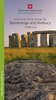


Stonehenge
Today, visitors experience Stonehenge as a wonder of ancient achievement and an enduring symbol of mystery. But Stonehenge was built as a temple - a place of ceremony, of burial and of celebration. The first Stonehenge was simple - just a circular ditch and bank, perhaps with a few small upright timber posts or stones - and was constructed about 5, 000 years ago, in the period of prehistory known as the Neolithic or New Stone Age. By about 2500 BC more and much larger stones had been brought to the site, huge sarsen stones from north Wiltshire and smaller bluestones from west Wales. This marked the beginning of over 800 years of construction and alteration stretching into the period known as the Bronze Age, when the first metal tools and weapons were made. By this time Stonehenge was
the greatest temple in Britain, its banks, ditches and standing stones arranged in sophisticated alignments to mark the passage of the sun and the changing seasons. But Stonehenge was just one part of a remarkable ancient landscape. Hundreds of burial mounds clustered on the surrounding hilltops, while smaller temples and other ceremonial sites were built nearby.Stonehenge and these other ancient structures form an archaeological landscape so rich that it is classified as a World Heritage Site. Stonehenge has inspired people to study and interpret it for centuries. Medieval writers suggested magic as an explanation of how it was created; early antiquarians, like William Stukeley in the early 18th century, guessed - wrongly- that the Druids had built it. Archaeology still provides the
best hope of answering some of these fundamental questions about Stonehenge: how and when it was built, who built it and, perhaps most difficult of all, why it was built, But even with the evidence that archaeology and modern science provide, not all these questions can be answered. Stonehenge will always keep some of its secrets.
the greatest temple in Britain, its banks, ditches and standing stones arranged in sophisticated alignments to mark the passage of the sun and the changing seasons. But Stonehenge was just one part of a remarkable ancient landscape. Hundreds of burial mounds clustered on the surrounding hilltops, while smaller temples and other ceremonial sites were built nearby.Stonehenge and these other ancient structures form an archaeological landscape so rich that it is classified as a World Heritage Site. Stonehenge has inspired people to study and interpret it for centuries. Medieval writers suggested magic as an explanation of how it was created; early antiquarians, like William Stukeley in the early 18th century, guessed - wrongly- that the Druids had built it. Archaeology still provides the
best hope of answering some of these fundamental questions about Stonehenge: how and when it was built, who built it and, perhaps most difficult of all, why it was built, But even with the evidence that archaeology and modern science provide, not all these questions can be answered. Stonehenge will always keep some of its secrets.
Product Description
Reviews/Comments
Add New
Vouchers
No voucher codes found.
Do you know a voucher code for this product or supplier? Add it to Insights for others to use.
Do you know a voucher code for this product or supplier? Add it to Insights for others to use.
 Denmark