

 United Kingdom
 France
 Germany
 Netherlands
 Sweden
 USA
USA
 Italy
Italy
 Spain
Spain

More From Contributor








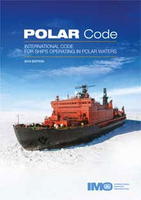
Polar Code: International Code For Ships Operating In Polar Waters
The International Code for Ships Operating in Polar Waters has been developed to supplement existing IMO instruments in order to increase the safety of ships` operation and mitigate the impact on the people and environment in the remote, vulnerable and potentially harsh polar waters.The Code acknowledges that polar water operation may impose additional demands on ships, their systems and operation beyond the existing requirements of the International Convention for the Safety of Life at Sea (SOLAS), 1974, the International Convention for the Prevention of Pollution from Ships, 1973, as modified by the Protocol of 1978 relating thereto as amended by the 1997 Protocol (MARPOL), and other relevant binding IMO instruments.The Code acknowledges that the polar waters impose additional
navigational demands beyond those normally encountered. In many areas, the chart coverage may not currently be adequate for coastal navigation. It is recognized even existing charts may be subject to unsurveyed and uncharted shoals.The Code also acknowledges that coastal communities in the Arctic could be, and that polar ecosystems are, vulnerable to human activities, such as ship operation. The relationship between the additional safety measures and the protection of the environment is acknowledged as any safety measure taken to reduce the probability of an accident, will largely benefit the environment.While Arctic and Antarctic waters have similarities, there are also significant differences. Hence, although the Code is intended to apply as a whole to both Arctic and Antarctic,
the legal and geographical differences between the two areas have been taken into account.The key principles for developing the Polar Code have been to use a risk-based approach in determining scope and to adopt a holistic approach in reducing identified risks. It will come into effect only in 2017 for new ships and 2018 forexisting ships.
navigational demands beyond those normally encountered. In many areas, the chart coverage may not currently be adequate for coastal navigation. It is recognized even existing charts may be subject to unsurveyed and uncharted shoals.The Code also acknowledges that coastal communities in the Arctic could be, and that polar ecosystems are, vulnerable to human activities, such as ship operation. The relationship between the additional safety measures and the protection of the environment is acknowledged as any safety measure taken to reduce the probability of an accident, will largely benefit the environment.While Arctic and Antarctic waters have similarities, there are also significant differences. Hence, although the Code is intended to apply as a whole to both Arctic and Antarctic,
the legal and geographical differences between the two areas have been taken into account.The key principles for developing the Polar Code have been to use a risk-based approach in determining scope and to adopt a holistic approach in reducing identified risks. It will come into effect only in 2017 for new ships and 2018 forexisting ships.

Product Description
Reviews/Comments
Add New
Vouchers
No voucher codes found.
Do you know a voucher code for this product or supplier? Add it to Insights for others to use.
Do you know a voucher code for this product or supplier? Add it to Insights for others to use.
 Denmark