

 United Kingdom
 France
 Germany
 Netherlands
 Sweden
 USA
USA
 Italy
Italy
 Spain
Spain

More From Contributor


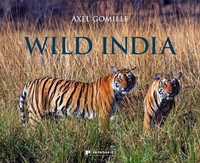
Wild India
India has one of the highest human populations on earth. Despite this population density, its enormous landmass plays host to a huge diversity of wildlife. Of the world`s 37 known species of wild cats, 14 are found in India - more than in any other country. There are about 350 species of mammals, 540 species of reptiles and 1200 species of birds breeding in India. The geography of the Indian subcontinent ranges from the tropical coast of southern India to the northern snow-capped mountains of the Himalayas, and from Thar desert in the west, near the Pakistani border, to the rainforests in the northeast on the border to Myanmar. This variety of habitats has led to an extremely diverse flora and fauna. But how does this diversity survive even today, when it has been lost in so many
other places on Earth? The answer lies in the people and how they treat all creatures. Religion also continues to influence how people treat their environment and Hinduism as India`s prevalent religion teaches a respect for all forms of life. India is home to the world`s largest surviving populations of wild tigers and Indian rhinoceros. If the fate of these endangered species is to be decided somewhere, it will be in Wild India.
other places on Earth? The answer lies in the people and how they treat all creatures. Religion also continues to influence how people treat their environment and Hinduism as India`s prevalent religion teaches a respect for all forms of life. India is home to the world`s largest surviving populations of wild tigers and Indian rhinoceros. If the fate of these endangered species is to be decided somewhere, it will be in Wild India.

Product Description
Reviews/Comments
Add New
Vouchers
No voucher codes found.
Do you know a voucher code for this product or supplier? Add it to Insights for others to use.
Do you know a voucher code for this product or supplier? Add it to Insights for others to use.
 Denmark