

 United Kingdom
 France
 Germany
 Netherlands
 Sweden
 USA
USA
 Italy
Italy
 Spain
Spain

More From Contributor



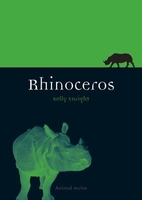
Rhinoceros
On Disneyland`s `Jungle Cruise`, three men are forever chased up a palm tree by a rhinoceros whose sharp horn moves endlessly just out of reach of the lowest man`s bottom. Having lived with the memory of this ride since childhood, the author was struck when she came across a reference to this `natives up a tree` scene in an 1838 natural history description. Such images have demonized rhinos for generations; this book examines how such a solitary animal came to earn such a bad reputation. Rhinoceros` wildness has roots in the ancient, prehistoric and mythic. Many sightings of the rhinoceros were thought to prove the existence of the mythical unicorn, which was said to be impossible to capture alive. Later the rhino was captured, and a few were brought to Europe throughout the
Renaissance to the 18th century to be displayed as wonders of nature. In America, the first rhinoceros arrived in 1830 and was hailed as the most savage of animals, and thereafter it became the most desired hunting trophy. No wonder that these animals are now an endangered species when we also consider that rhino horn is much sought after as an ingredient in Asian medicine.”Rhinoceros” explores sources ranging from film and literature, to natural history description and exhibition, and asks whether the savagery of the rhino is a reality or a legacy of its mythic past. Well illustrated and persuasively argued, ”Rhinoceros” will appeal to all enthusiasts eager to learn about the culture, history and nature of this animal, as well as specialists, from art historians to
conservation biologists.
Renaissance to the 18th century to be displayed as wonders of nature. In America, the first rhinoceros arrived in 1830 and was hailed as the most savage of animals, and thereafter it became the most desired hunting trophy. No wonder that these animals are now an endangered species when we also consider that rhino horn is much sought after as an ingredient in Asian medicine.”Rhinoceros” explores sources ranging from film and literature, to natural history description and exhibition, and asks whether the savagery of the rhino is a reality or a legacy of its mythic past. Well illustrated and persuasively argued, ”Rhinoceros” will appeal to all enthusiasts eager to learn about the culture, history and nature of this animal, as well as specialists, from art historians to
conservation biologists.

Product Description
Reviews/Comments
Add New
Vouchers
No voucher codes found.
Do you know a voucher code for this product or supplier? Add it to Insights for others to use.
Do you know a voucher code for this product or supplier? Add it to Insights for others to use.
 Denmark