

 United Kingdom
 France
 Germany
 Netherlands
 Sweden
 USA
USA
 Italy
Italy
 Spain
Spain

More From Contributor





Occupational Hazards
Now available in paperback with an additional epilogue, Rory Stewart`s Occupational Hazards is a must-read account of the first few years of the occupation of Iraq from within its governing structures.Iraq, September 2003; it`s six months after the US-led invasion, and the country is in anarchy - the infrastructure has collapsed, terrorist attacks have begun and the coalition has decided to rule directly via the Coalitions Provisional Authority (CPA).Rory Stewart, a thirty year old British diplomat, is appointed as coalition deputy governor (CPA deputy governorate coordinator) of a province of 850, 000 people in the Marsh region of southern Iraq. There, in the cities of Amara and then Nasiriyah, he and his colleagues struggle to rebuild the region`s infrastructure while controlling
assassinations and tribal conflict, confronting gangsters, Iranian-linked politicians and a full Islamist insurgency. During all this Stewart kept a journal of his experiences.His time in the Marsh region culminates in a terrifying siege during which Stewart and his team remain in their compound under sustained attack. They negotiate hostage releases, appoint Iraqi governors and police chiefs, patch up the shattered infrastructure and, in June 2004, hand over sovereignty to the Iraqi government.Haunted by his previous work and travels in Asia, Rory Stewart brings a unique sensitivity and perspective to the daily interactions between Iraqis and the coalition and to the perils and even comedy of foreign occupation. In fact, while his almost colonial role may never exist again, his
inside`s account reveals a side of Iraq different from the one familiar to us from print and broadcast journalism and hidden from most foreign soldiers and journalists alike.Stewart`s luminous, sharp-edged prose provides a nuanced and fascinating picture of individuals, both Iraqi and foreign, struggling to manage the collapse of a state. Occupational Hazards is a unique insight into the ambitions, errors, comedy, occasional heroism and moral risks of foreign occupation, which raises questions about the whole project of `state-building` in the twenty-first century.
assassinations and tribal conflict, confronting gangsters, Iranian-linked politicians and a full Islamist insurgency. During all this Stewart kept a journal of his experiences.His time in the Marsh region culminates in a terrifying siege during which Stewart and his team remain in their compound under sustained attack. They negotiate hostage releases, appoint Iraqi governors and police chiefs, patch up the shattered infrastructure and, in June 2004, hand over sovereignty to the Iraqi government.Haunted by his previous work and travels in Asia, Rory Stewart brings a unique sensitivity and perspective to the daily interactions between Iraqis and the coalition and to the perils and even comedy of foreign occupation. In fact, while his almost colonial role may never exist again, his
inside`s account reveals a side of Iraq different from the one familiar to us from print and broadcast journalism and hidden from most foreign soldiers and journalists alike.Stewart`s luminous, sharp-edged prose provides a nuanced and fascinating picture of individuals, both Iraqi and foreign, struggling to manage the collapse of a state. Occupational Hazards is a unique insight into the ambitions, errors, comedy, occasional heroism and moral risks of foreign occupation, which raises questions about the whole project of `state-building` in the twenty-first century.

Product Description
Reviews/Comments
Add New
Intelligent Comparison
Archived Product
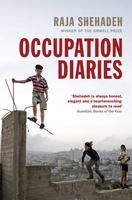
Occupation Diaries Stanfords
£8.99
Vouchers
No voucher codes found.
Do you know a voucher code for this product or supplier? Add it to Insights for others to use.
Do you know a voucher code for this product or supplier? Add it to Insights for others to use.
 Denmark