

 United Kingdom
 France
 Germany
 Netherlands
 Sweden
 USA
USA
 Italy
Italy
 Spain
Spain

More From Contributor






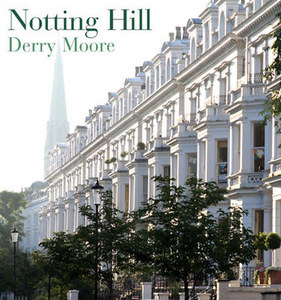
Notting Hill
This is the story of Notting Hill, from its beginning in the Ladbroke Estate to its current incarnation as one of the most cosmopolitan and fashionable London neighbourhoods. The spacious crescents, stuccoed houses and leafy communal gardens that give Notting Hill its charm were developed during the 19th century. This elegance existed cheek by jowl with the Potteries, one of London`s worst slums, where in the mid-19th century average life expectancy was 11 years and 7 months. After the First World War many buildings fell into disrepair, houses were converted into flats and bed-sits, and the area went into decline. During the 1950s there was an influx of immigrants from the Caribbean, who were exploited by unscrupulous landlords. The race riots of 1958 marked a low point for Notting
Hill. But the incomers inspired the Notting Hill Carnival, which has become a popular tourist attraction, as has the Portobello Road with its antiques and fruit and vegetable market, while the area has been regenerated by new wealth (not to mention a starring role in the film Notting Hill). All contribute to the cosmopolitan, fashionable area Notting Hill is today.
Hill. But the incomers inspired the Notting Hill Carnival, which has become a popular tourist attraction, as has the Portobello Road with its antiques and fruit and vegetable market, while the area has been regenerated by new wealth (not to mention a starring role in the film Notting Hill). All contribute to the cosmopolitan, fashionable area Notting Hill is today.

Product Description
Reviews/Comments
Add New
Vouchers
No voucher codes found.
Do you know a voucher code for this product or supplier? Add it to Insights for others to use.
Do you know a voucher code for this product or supplier? Add it to Insights for others to use.
 Denmark