

 United Kingdom
 France
 Germany
 Netherlands
 Sweden
 USA
USA
 Italy
Italy
 Spain
Spain

More From Contributor


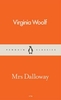


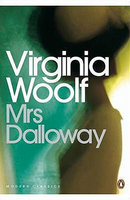
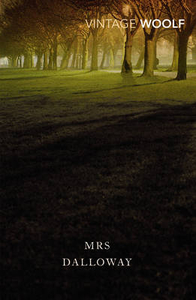
Mrs Dalloway
Elegantly interweaving her characters` complex inner lives in an unbroken stream of consciousness, Virginia Woolf`s ”Mrs Dalloway” continues to enthral readers with its exploration of the human experience; of time, space, madness and regret. This ”Penguin Classics” edition is edited by Stella McNichol with an introduction and notes by Elaine Showalter. Past, present and future are brought together one momentous June day in 1923. Clarissa Dalloway, elegant and vivacious, is preparing for a party while reminiscing about her childhood romance with Peter Walsh, and dwelling on her daughter Elizabeth`s rapidly-approaching adulthood. In another part of London, war veteran Septimus Smith is shell-shocked and on the brink of madness, slowly spiralling towards self-annihilation.
Their experiences mingling, yet never quite meeting, Virginia Woolf masterfully portrays a serendipitous unity of inner lives, converging as the party reaches its glittering climax. Virginia Woolf (1882-1941) is regarded as a major 20th century author and essayist, a key figure in literary history as a feminist and modernist, and the centre of ”The Bloomsbury Group”. This informal collective of artists and writers which included Lytton Strachey and Roger Fry, exerted a powerful influence over early twentieth-century British culture. Between 1925 and 1931 Virginia Woolf produced what are now regarded as her finest masterpieces, from ”Mrs Dalloway” (1925) to the poetic and highly experimental novel ”The Waves” (1931). She also maintained an astonishing output of literary
criticism, short fiction, journalism and biography, including the playfully subversive ”Orlando” (1928) and ”A Room of One`s Own” (1929) a passionate feminist essay.
Their experiences mingling, yet never quite meeting, Virginia Woolf masterfully portrays a serendipitous unity of inner lives, converging as the party reaches its glittering climax. Virginia Woolf (1882-1941) is regarded as a major 20th century author and essayist, a key figure in literary history as a feminist and modernist, and the centre of ”The Bloomsbury Group”. This informal collective of artists and writers which included Lytton Strachey and Roger Fry, exerted a powerful influence over early twentieth-century British culture. Between 1925 and 1931 Virginia Woolf produced what are now regarded as her finest masterpieces, from ”Mrs Dalloway” (1925) to the poetic and highly experimental novel ”The Waves” (1931). She also maintained an astonishing output of literary
criticism, short fiction, journalism and biography, including the playfully subversive ”Orlando” (1928) and ”A Room of One`s Own” (1929) a passionate feminist essay.

Product Description
Reviews/Comments
Add New
Intelligent Comparison
Archived Product
Mrs Dalloway Stanfords
£5.99
Archived Product
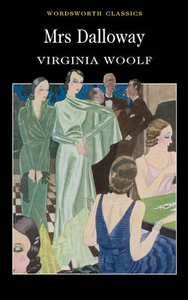
Mrs. Dalloway Stanfords
£2.50
Archived Product
Mrs. Dalloway Stanfords
£7.99
Vouchers
No voucher codes found.
Do you know a voucher code for this product or supplier? Add it to Insights for others to use.
Do you know a voucher code for this product or supplier? Add it to Insights for others to use.
 Denmark