

 United Kingdom
 France
 Germany
 Netherlands
 Sweden
 USA
USA
 Italy
Italy
 Spain
Spain

More From Contributor



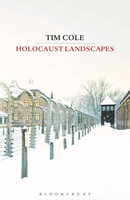
Holocaust Landscapes
The theme of Tim Cole`s Holocaust Landscapes concerns the geography of the Holocaust; the Holocaust as a place-making event for both perpetrators and victims. Through concepts such as distance and proximity, Professor Cole tells the story of the Holocaust through a number of landscapes where genocide was implemented, experienced and evaded and which have subsequently been forgotten in the post-war world. Drawing on particular survivors` narratives, Holocaust Landscapes moves between a series of ordinary and extraordinary places and the people who inhabited them throughout the years of the Second World War. Starting in Germany in the late 1930s, the book shifts chronologically and geographically westwards but ends up in Germany in the final chaotic months of the war. These landscapes
range from the most iconic (synagogue, ghetto, railroad, camp, attic) to less well known sites (forest, sea and mountain, river, road, displaced persons camp). Holocaust Landscapes provides a new perspective surrounding the shifting geographies and histories of this continent-wide event.
range from the most iconic (synagogue, ghetto, railroad, camp, attic) to less well known sites (forest, sea and mountain, river, road, displaced persons camp). Holocaust Landscapes provides a new perspective surrounding the shifting geographies and histories of this continent-wide event.

Product Description
Reviews/Comments
Add New
Vouchers
No voucher codes found.
Do you know a voucher code for this product or supplier? Add it to Insights for others to use.
Do you know a voucher code for this product or supplier? Add it to Insights for others to use.
 Denmark